A laser cleaning machine typically costs between $3,000 and $25,000, while automated industrial systems can exceed $60,000.
The final price depends mainly on the laser type, power, cooling system, component quality, working capacity and level of automation.
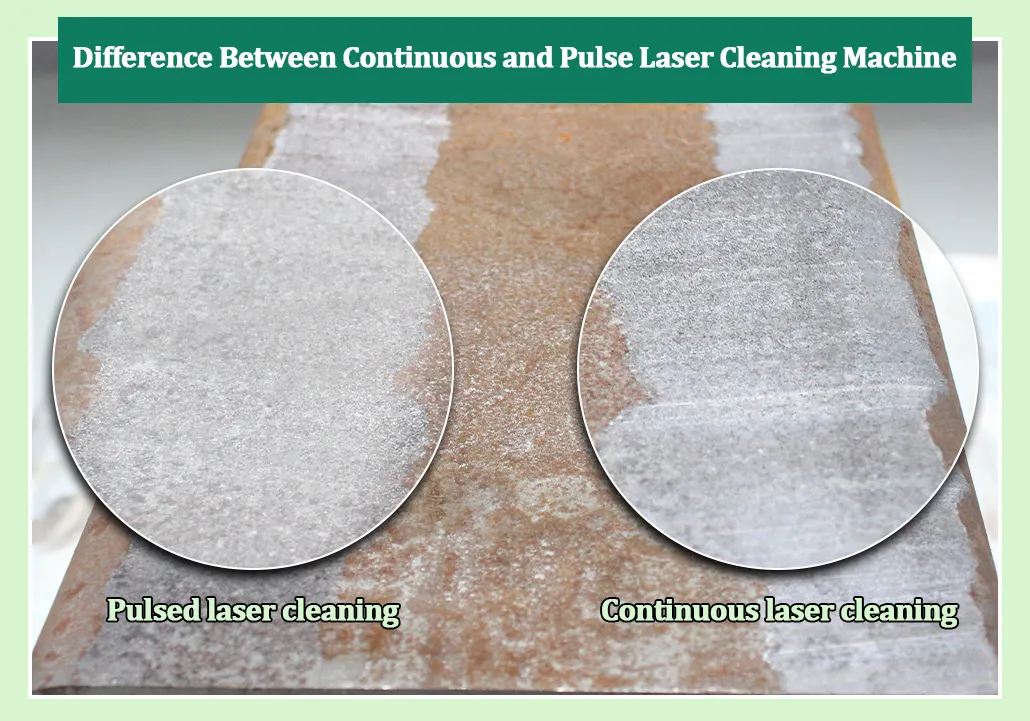
One important point is that wattage alone does not determine price. A 100W pulsed laser cleaner may cost more than a 1500W continuous-wave machine because pulsed systems are designed for greater heat control and surface protection.
This guide explains what you can expect at each price level, which machine type suits different applications and what additional costs to include in your budget.
Laser Cleaning Machine Prices at a Glance
Machine Category | Typical Configuration | Price Range | Best For |
|---|---|---|---|
Entry-Level Precision Cleaner | 50–100W pulsed | $3,800–$6,500 | Light rust, molds and sensitive surfaces |
Professional Pulsed Cleaner | 200–300W pulsed | $7,000–$12,000 | Auto parts, fabrication and contract cleaning |
High-Power Pulsed Cleaner | 500W pulsed | $15,000–$25,000 | Heavy oxide on heat-sensitive components |
Industrial CW Cleaner | 1000–1500W CW | $3,000–$12,000 | General rust, paint and weld preparation |
Heavy-Duty CW Cleaner | 2000–3000W CW | $5,000–$20,000 | Structural steel, pipelines and large surfaces |
Automated Cleaning System | Robotic or gantry-integrated | $25,000–$60,000+ | Production lines and repetitive industrial cleaning |
For most workshops and contractors, a realistic budget is between $4,000 and $15,000. Higher investments usually make sense only when the machine must handle sensitive materials, continuous production or automated cleaning.
What Do You Get at Each Price Level?
Laser cleaning machine prices reflect more than power. As the budget increases, buyers may gain better beam control, stronger cooling, longer duty cycles, improved component quality and more complete technical support.
Entry-Level Laser Cleaning Machines: $3,000–$6,500
This range includes compact pulsed cleaners and lower-cost 1000–1500W CW machines.
Although they may have similar prices, they serve very different purposes.
A 50–100W pulsed machine is designed for controlled cleaning on molds, thin metal, automotive components and other surfaces where excessive heat could cause damage. It normally removes light rust, oxide, grease and thin coatings more slowly but with greater precision.
A 1000–1500W entry-level CW machine is intended for faster cleaning of steel, weld seams and general industrial rust. It transfers more heat into the workpiece and is therefore less suitable for thin or delicate materials.
This price level is a practical starting point for small workshops, repair businesses and contractors testing local demand.
What to check
Support and component quality can vary significantly. Confirm the laser-source brand, cooling system, warranty, safety package and spare-parts availability before ordering.
The supplier should also test the machine on your actual material and contamination—not only show a demonstration on lightly rusted steel.
Professional Laser Cleaning Machines: $7,000–$15,000
This is the most practical range for active workshops and professional cleaning contractors.
Buyers can choose between 200–300W pulsed systems for controlled surface treatment and better-equipped 1000–1500W CW systems for faster rust and coating removal.
Machines in this range generally offer more stable output, improved scan controls, stronger cooling and better suitability for regular daily operation.
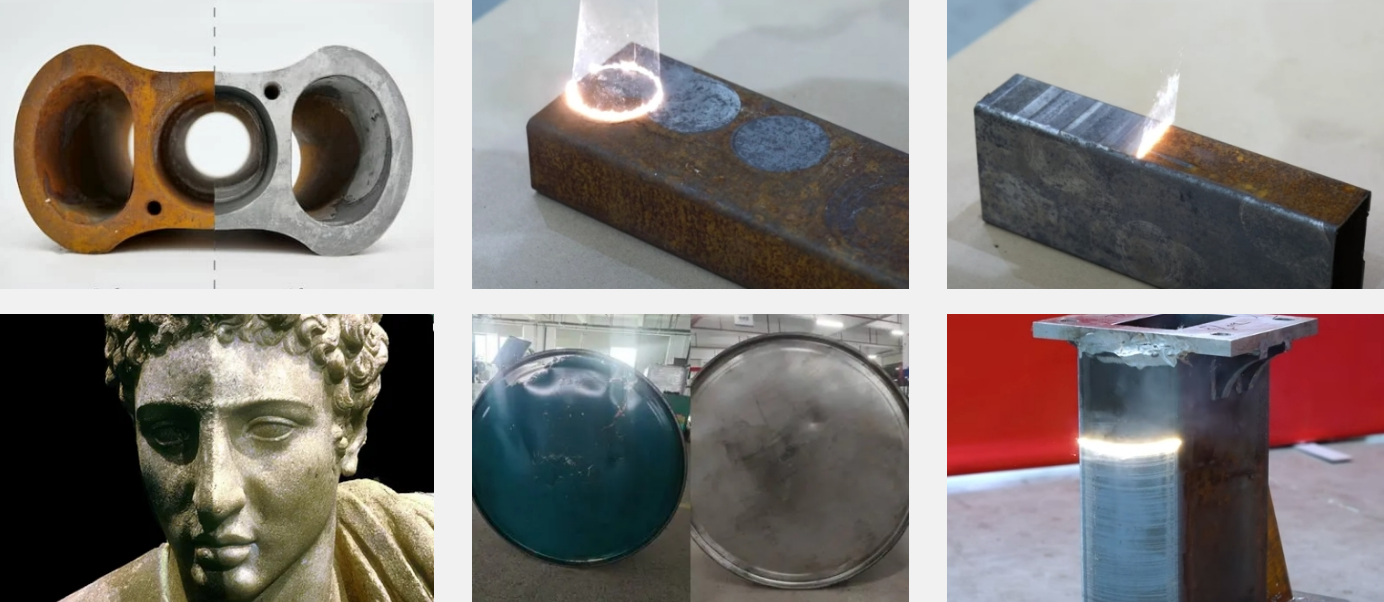
Typical applications include automotive restoration, mold maintenance, weld preparation, steel fabrication, paint removal and contract cleaning services.
Part of the price difference may come from service, training and distributor support rather than cleaning performance alone. Compare complete configurations rather than looking only at wattage.
Heavy-Duty Laser Cleaning Machines: $15,000–$25,000
This range includes high-power pulsed cleaners and industrial-grade CW systems.
A 500W pulsed machine is suitable for businesses that need both higher cleaning speed and controlled heat input. It may be used for marine components, molds, heavy oxide and coated parts that could be damaged by an aggressive CW beam.
Industrial 2000–3000W CW systems are designed for thick steel, pipelines, structural components and large areas of heavy rust or paint.
Compared with lower-cost machines, buyers are generally paying for longer operating capacity, more reliable cooling, stronger components and better performance under continuous workloads.
These machines make the most sense when cleaning volume is consistent enough to justify the larger investment.
Automated and Industrial Systems: $25,000–$60,000+
Automated laser cleaning systems are built for production lines, shipyards, automotive factories and other repetitive industrial applications.
They may include robotic arms, gantry movement, custom fixtures, enclosed safety systems and integration with conveyors or manufacturing software.
At this level, the laser source is only one part of the total price. Mechanical engineering, automation, guarding, programming and installation can account for a large share of the investment.
Most small workshops do not need an automated system unless the parts are repetitive and labor savings can justify the integration cost.
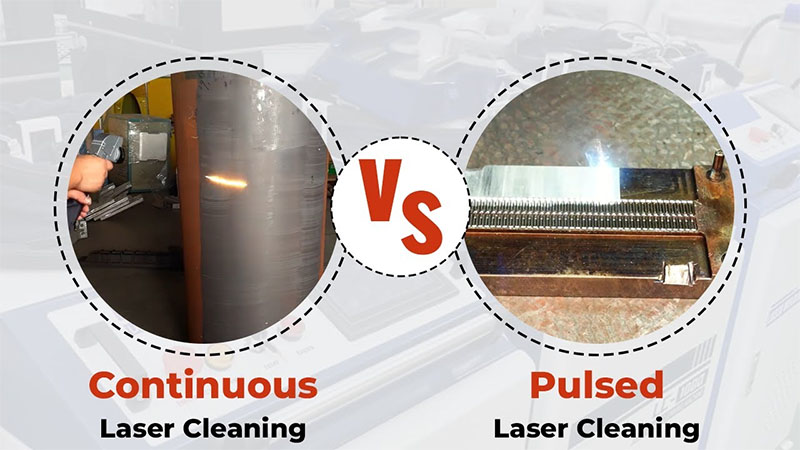
Pulsed vs. CW Laser Cleaner: Why Prices Differ
Pulsed and continuous-wave laser cleaners should not be compared by wattage alone.
Laser Type | Typical Power | Typical Price | Main Advantage |
|---|---|---|---|
Pulsed laser cleaner | 50–500W | $3,800–$25,000 | Better heat control and surface protection |
CW laser cleaner | 1000–3000W | $3,000–$20,000 | Faster removal of heavy rust and thick coatings |
Automated system | Varies | $25,000–$60,000+ | Repeatable production and reduced manual labor |
Choose a pulsed machine for thin sheet metal, aluminum, molds, precision parts, historical restoration and high-value surfaces.
Choose a CW system for structural steel, industrial machinery, pipelines, weld seams and large areas of heavy corrosion.
A pulsed machine costs more per watt because you are paying for precise energy control rather than maximum material-removal speed.
What Affects the Price of a Laser Cleaning Machine?
Laser Source and Power
The laser source is one of the most expensive components. Higher power generally increases price, but the relationship is not linear.
Pulsed sources are typically more expensive than CW sources at the same wattage because they require more complex pulse control.
Cooling and Duty Cycle
Small pulsed cleaners may use air cooling, while high-power CW systems normally require an industrial water chiller.
A machine designed to run several hours continuously will usually cost more than a light-duty unit with the same advertised power.
Configuration and Automation
A handheld laser rust remover costs less than a robotic or gantry system. Additional scanners, wider cleaning heads, automatic focusing, extraction systems and custom fixtures also increase the final price.
Brand, Support and Location
Factory-direct machines are usually less expensive than systems purchased through local distributors.
Distributor pricing may include local training, stocked spare parts, faster service and compliance documentation. These services add cost but may reduce downtime for production users.
Hidden Costs of a Laser Cleaning Machine
The advertised machine price is not the complete investment.
Additional Cost | Typical Budget |
|---|---|
Shipping and insurance | $300–$3,000+ |
Import duties and taxes | Varies by country |
Safety equipment and extraction | $500–$5,000+ |
Electrical installation | $0–$5,000+ |
Training and setup | $0–$3,000 |
Maintenance and consumables | $500–$3,000+ per year |
Automation or custom fixtures | Project dependent |
High-power CW systems may require three-phase electricity. If your facility does not already have the correct voltage and capacity, electrical upgrades can add significantly to the project cost.
Protective lenses, filters, nozzles, cooling fluid and extraction filters also need periodic replacement. These costs are usually lower than blasting media or chemical consumables, but they should still be included in the budget.
As a practical rule, prepare a first-year budget approximately:
15%–30% above the machine price for a portable cleaning laser standard system
25%–50% above the machine price for a high-power or automated installation
Always request a complete delivered quotation rather than comparing ex-factory machine prices.
Laser Cleaning Machine ROI
The payback period depends on how often the rust removal laser is used and which cleaning process it replaces.
Use this formula:
Payback period = Total installed cost ÷ Monthly net savings or profit generated
Monthly benefit may come from lower labor requirements, fewer consumables, reduced waste disposal and additional cleaning jobs.
Typical Payback Expectations
Operating Scenario | Typical Payback Period |
|---|---|
Occasional in-house cleaning | 18–36 months |
Active workshop or maintenance operation | 8–18 months |
High-utilization contract cleaning | 3–12 months |
Automated production application | Based on labor and cycle-time savings |
These are planning ranges rather than guaranteed results.
A machine used only several hours per month will take much longer to recover than one replacing daily blasting, grinding or chemical stripping.
For a reliable calculation, deduct electricity, labor, maintenance, financing and consumables from the revenue or savings generated by the machine.
Do not calculate payback using the supplier’s maximum advertised cleaning speed. Use test results from your actual material and contamination level.
How to Choose the Right Laser Cleaning Machine
Start with the surface you need to clean.
Thin metal, aluminum, molds and precision components usually require a pulsed laser cleaner machine. Thick structural steel and large areas of heavy rust normally favor a high-power CW system.
Next, estimate your actual daily workload. A business cleaning five square meters per day does not need the same machine as a contractor cleaning hundreds of square meters.
Finally, ask shortlisted suppliers to test your parts. The test should show the cleaning speed, final surface condition and whether the process causes discoloration, roughness changes or heat damage.
The quotation should clearly state the laser source, power, cooling system, included safety equipment, warranty, training, delivery costs and spare-parts package.
Conclusion
For light rust, molds and sensitive surfaces, plan to spend approximately $3,800–$12,000 on a 50–300W pulsed cleaner.
For general industrial rust, paint and weld preparation, a 1000–2000W CW machine typically costs around $3,000–$15,000.
For demanding precision cleaning or heavy continuous production, expect a budget of $15,000–$25,000 or more.
Automated systems usually begin around $25,000 and can exceed $60,000 once robotics, guarding and integration are included.
The best laser cleaning machine is not simply the highest-powered or lowest-priced option. It is the machine that can achieve the required finish, complete your daily workload and recover its total cost without damaging the workpiece.