A laser cleaning machine is often described as a technology that can remove almost any surface contamination. While laser cleaning is extremely powerful, the real answer depends on the laser power, cleaning mode, material type, contamination thickness, and required surface finish.
A compact pulsed laser cleaner and a high-power industrial laser cleaning system may both remove rust, but they are designed for completely different applications.
A 100W–500W pulsed laser may focus on precision cleaning, mold maintenance, and sensitive components, while a 1000W–3000W continuous-wave system can handle heavier rust, thicker coatings, and large industrial surfaces.
Laser cleaning is not limited by the type of contamination alone. The key is matching the right laser system to the right application.
What Can a Laser Cleaning Machine Remove?
Contaminant | Cleaning Capability |
|---|---|
Rust and oxide | Excellent for surface rust, oxidation, mill scale, and weld discoloration |
Paint and coatings | Effective for thin and industrial coatings with the correct power level |
Oil and grease | Removes surface oil, machining residue, and industrial contamination |
Carbon and soot | Suitable for molds, tooling, and metal parts |
Rubber and residue | Possible with proper parameters, especially for tooling applications |
Heavy industrial buildup | Possible with high-power systems, but requires correct evaluation |
Deep corrosion damage | Removes corrosion products but cannot rebuild missing metal |
Hidden contamination | Limited because laser cleaning requires direct beam access |
The most advanced laser cleaning systems can handle a much wider range of applications, but no laser cleaner can replace damaged material or clean areas that the laser cannot physically reach.
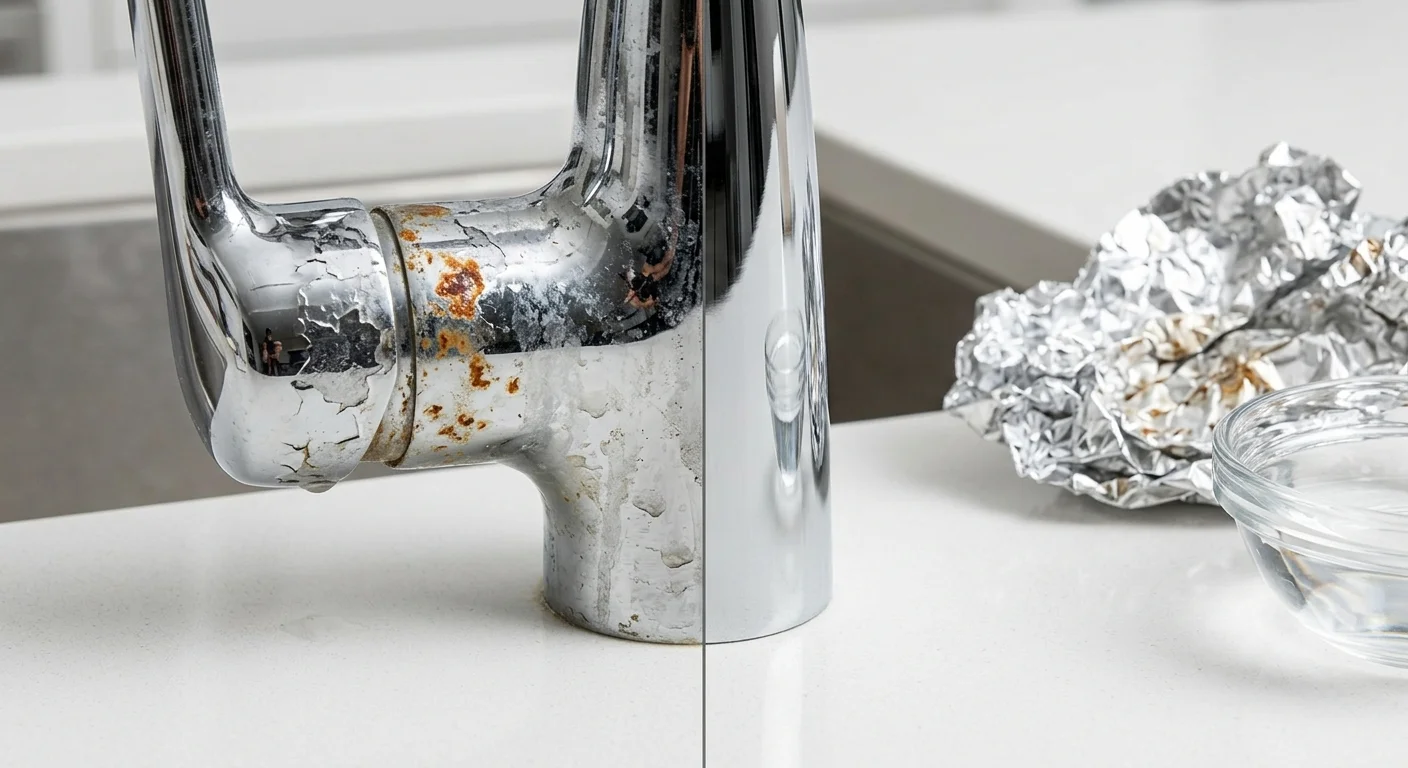
Rust and Oxide Removal: One of the Strongest Applications
Rust removal is one of the most proven uses of laser cleaning technology.
For light rust, oxidation, and heat discoloration, pulsed laser systems provide excellent control while minimizing damage to the underlying metal.
For heavier corrosion, thick rust layers, and industrial steel structures, higher-power continuous-wave laser cleaners provide greater productivity by delivering more energy over a larger area.
The difference is not simply power. Advanced systems combine higher output with better beam control, scanning systems, and parameter adjustment to remove contamination efficiently while protecting the substrate.
However, laser cleaning removes rust and oxide—it does not repair corrosion damage that has already removed the original metal.
A deeply pitted steel component may look clean after laser treatment, but the missing material still requires repair or replacement.
Paint and Coating Removal: From Thin Layers to Industrial Coatings
Laser cleaning can remove many types of coatings, including paint, powder coating, protective layers, varnish, and surface treatments.
The suitable machine depends mainly on coating thickness and the material underneath.
A lower-power pulsed laser is often suitable for selective paint removal where protecting the substrate is important, such as automotive parts, precision components, or restoration work.
Higher-power continuous-wave systems are more suitable for thick industrial coatings on steel structures, machinery, and large components where productivity is the priority.
Advanced laser cleaning systems can expand the application range by combining higher power with better control over heat input, allowing operators to remove coatings without unnecessary damage.
Oil, Grease, Carbon and Industrial Residue
Laser cleaning is also highly effective for removing surface contamination that is difficult to remove manually.
Common applications include:
Machining oil;
Grease;
Carbon deposits;
Welding residue;
Mold release agents;
Production contamination.
This is why laser cleaning has become popular in industries such as automotive manufacturing, mold maintenance, welding preparation, and precision machining.
The advantage is that the process removes contamination without abrasive media, chemicals, or secondary waste.
For porous materials or contamination that has penetrated deeply into the surface, however, results depend on the material and contamination depth.

Can Laser Cleaning Remove Heavy Contamination?
Yes—but the equipment configuration matters.
A basic laser cleaner may struggle with extremely thick rust, multiple coating layers, or large industrial surfaces because the process becomes slower.
Higher-power industrial laser cleaners can handle much heavier contamination by increasing cleaning speed and energy output.
For example:
A small workshop cleaning weld seams, molds, and local rust areas may benefit from a pulsed laser system.
A shipyard, steel manufacturer, or heavy equipment company cleaning large steel surfaces may require a high-power continuous-wave system.
The question is not whether laser cleaning can remove the contamination. The question is whether it is the most economical method for that scale of work.
What Can a Laser Cleaning Machine Not Remove Effectively?
Laser cleaning is a surface treatment technology, not a repair process.
It cannot restore metal that has already disappeared because of deep corrosion. It can clean the surface around a rust pit, but it cannot rebuild the original thickness.
It also has limitations when the laser beam cannot directly reach the contamination. Internal pipe walls, deep holes, hidden corners, and complex internal structures may require other methods.
Some heat-sensitive materials, plastics, rubber, and certain composites also require careful testing because excessive energy may cause melting, deformation, or discoloration.
Highly reflective materials such as polished aluminum, copper, or stainless steel can also require specialized parameters because they reflect more laser energy and are more challenging to process.
The Difference Between Standard and Advanced Laser Cleaning Systems
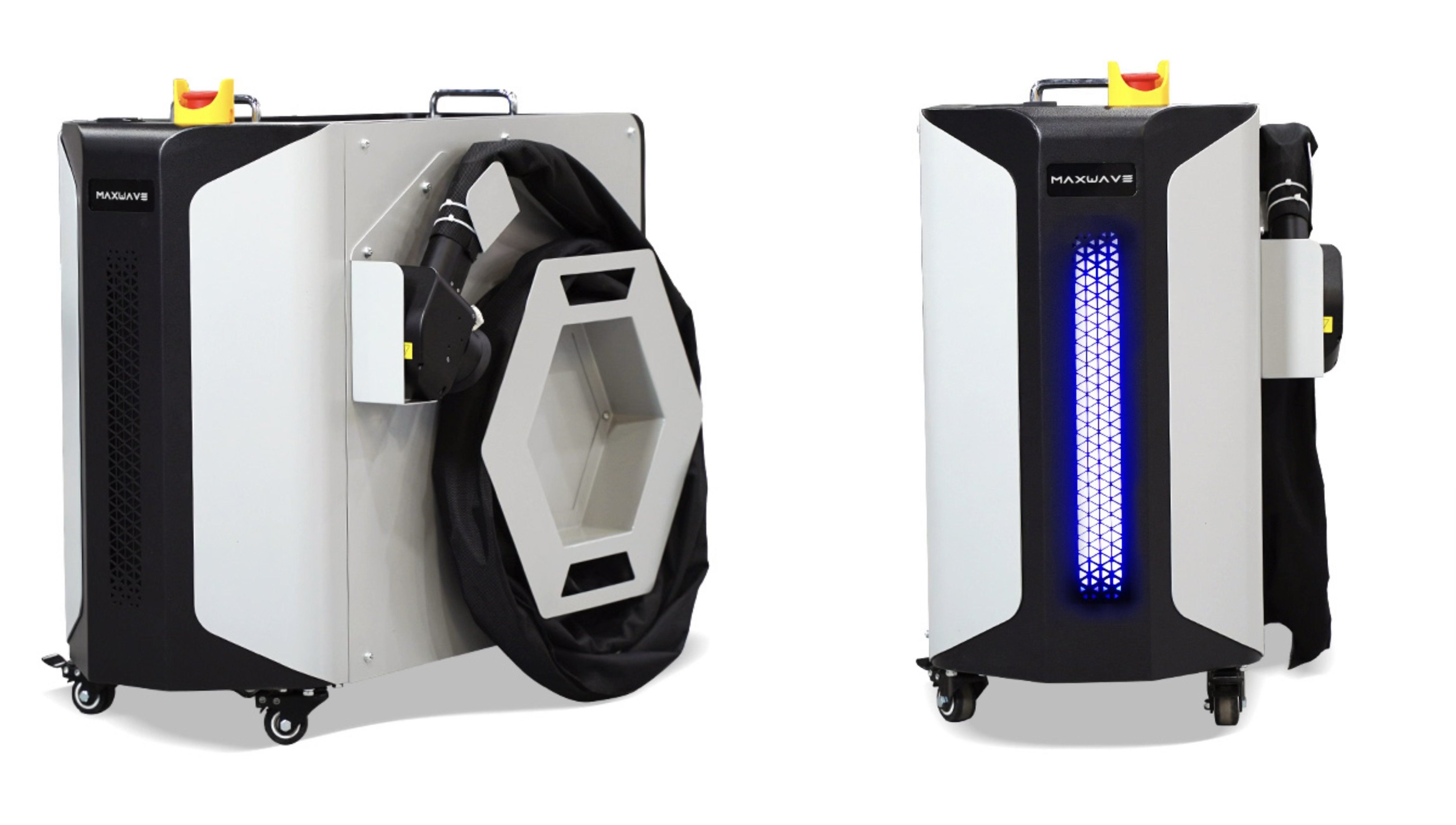
Not all laser cleaning machines have the same capability.
Entry-level systems are often designed for lighter applications such as surface rust, oxide removal, weld discoloration, and workshop maintenance.
More advanced systems improve performance through:
Higher laser power;
Better pulse control;
Larger scanning capability;
More precise energy adjustment;
Improved cooling systems;
More stable operation.
These improvements allow the machine to move from small repair applications into more demanding industrial cleaning tasks.
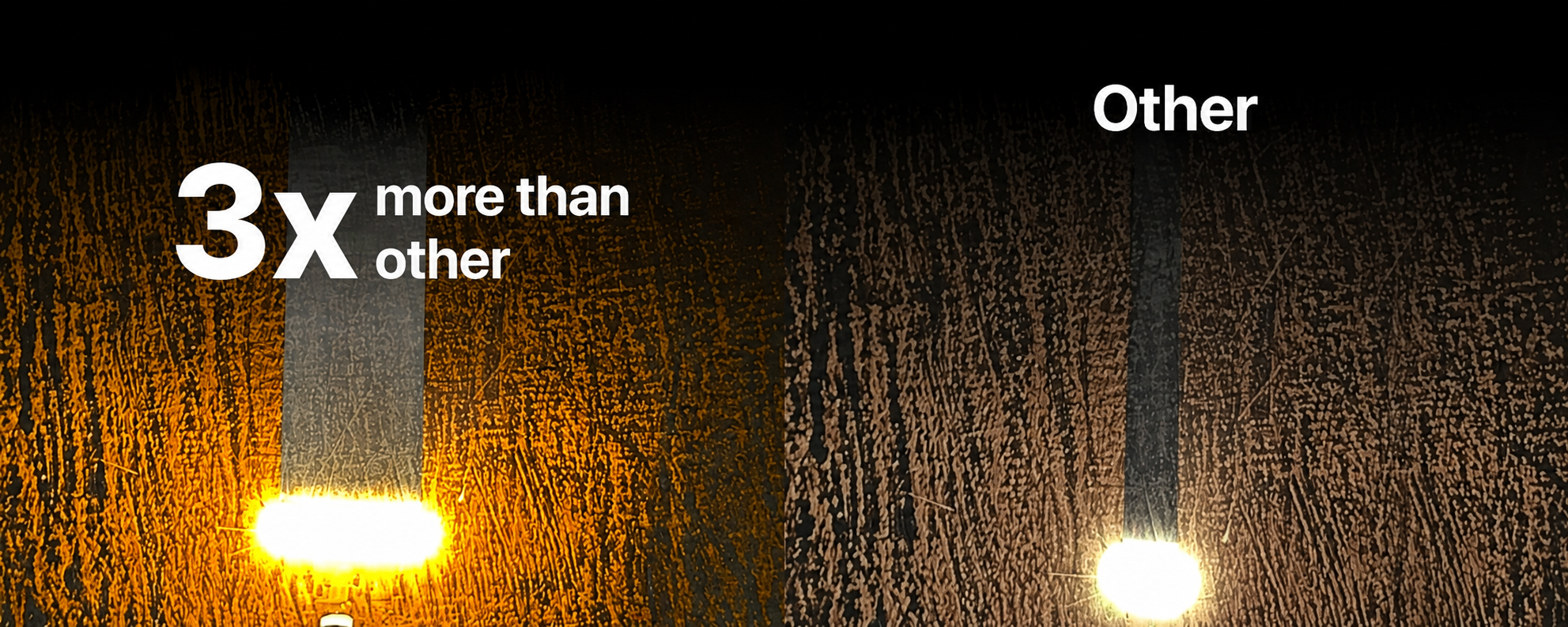
A high-end laser cleaning machine does not simply clean faster—it provides a wider process window, allowing operators to handle more materials and more difficult contamination types.
When Should You Choose Laser Cleaning?
Laser cleaning is a strong choice when you need:
Clean metal surfaces without abrasive damage;
Controlled rust or coating removal;
Less chemical waste;
Better protection of precision components;
Repeatable cleaning results;
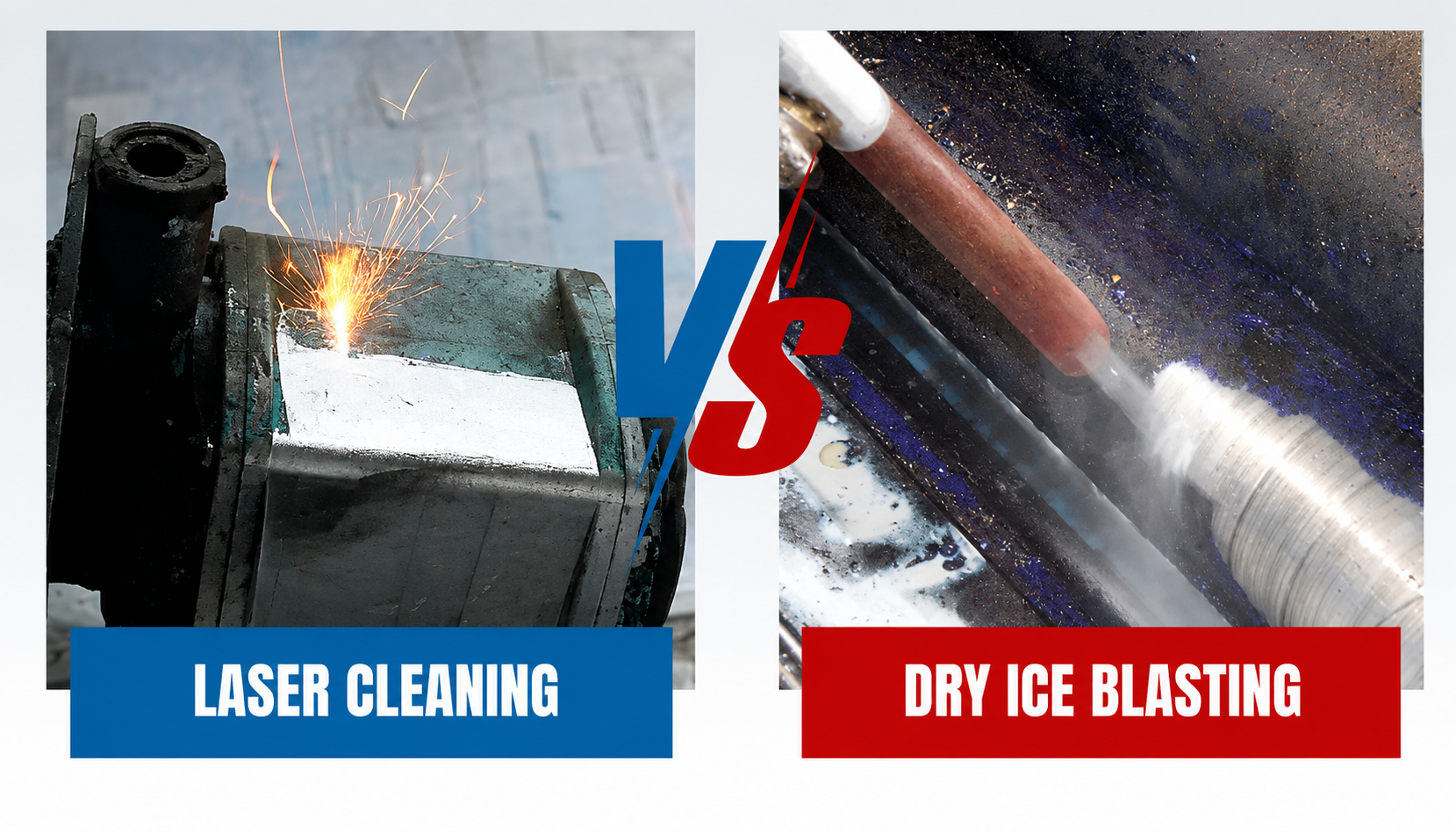
A cleaner alternative to grinding or sandblasting.
It may not be the best choice when the job requires:
Removing large amounts of material;
Cleaning hidden internal areas;
Repairing structural corrosion damage;
Processing unsuitable heat-sensitive materials.
Conclusion
A laser cleaning machine can remove a wide range of contaminants, including rust, oxide, paint, oil, carbon deposits, weld discoloration, and industrial residues.
However, the best results come from choosing the correct laser technology and power level for the application.
Basic laser cleaners are excellent for precision cleaning and smaller jobs. Advanced laser cleaning systems expand the possibilities with higher power, better control, and greater productivity for difficult industrial applications.
The best laser cleaning machine is not the one with the highest power. It is the system that removes your contamination efficiently while protecting the material underneath.
Before choosing a machine, send LaserCleanerPro photos of your parts, contamination type, material, and expected workload. The engineering team can recommend a suitable configuration and arrange an application test to confirm the right solution.