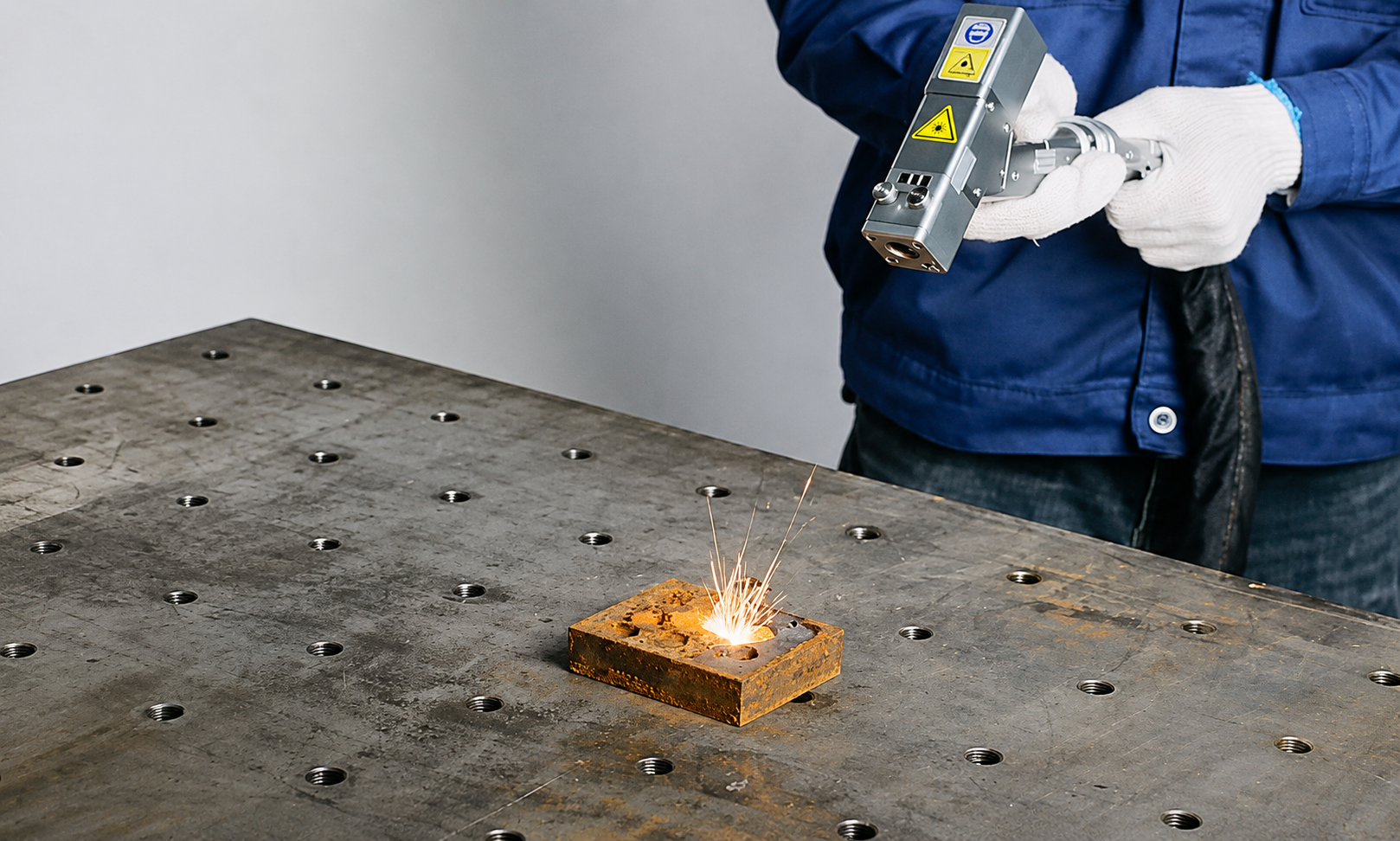
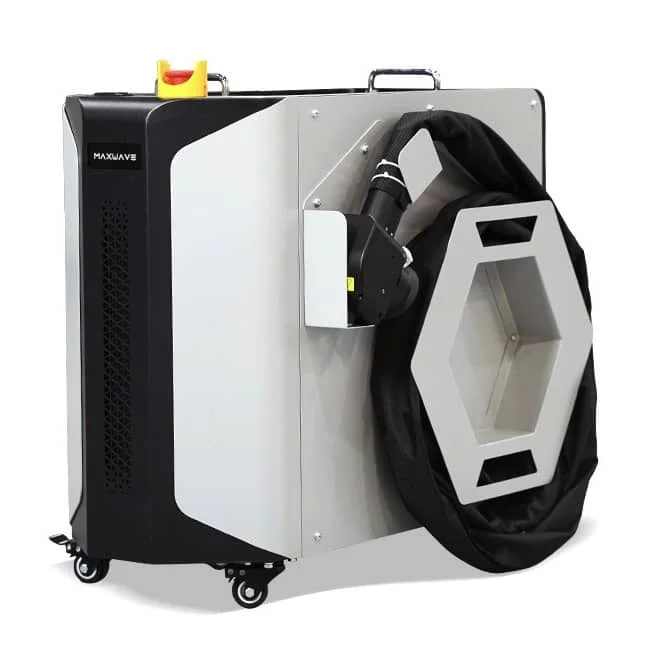
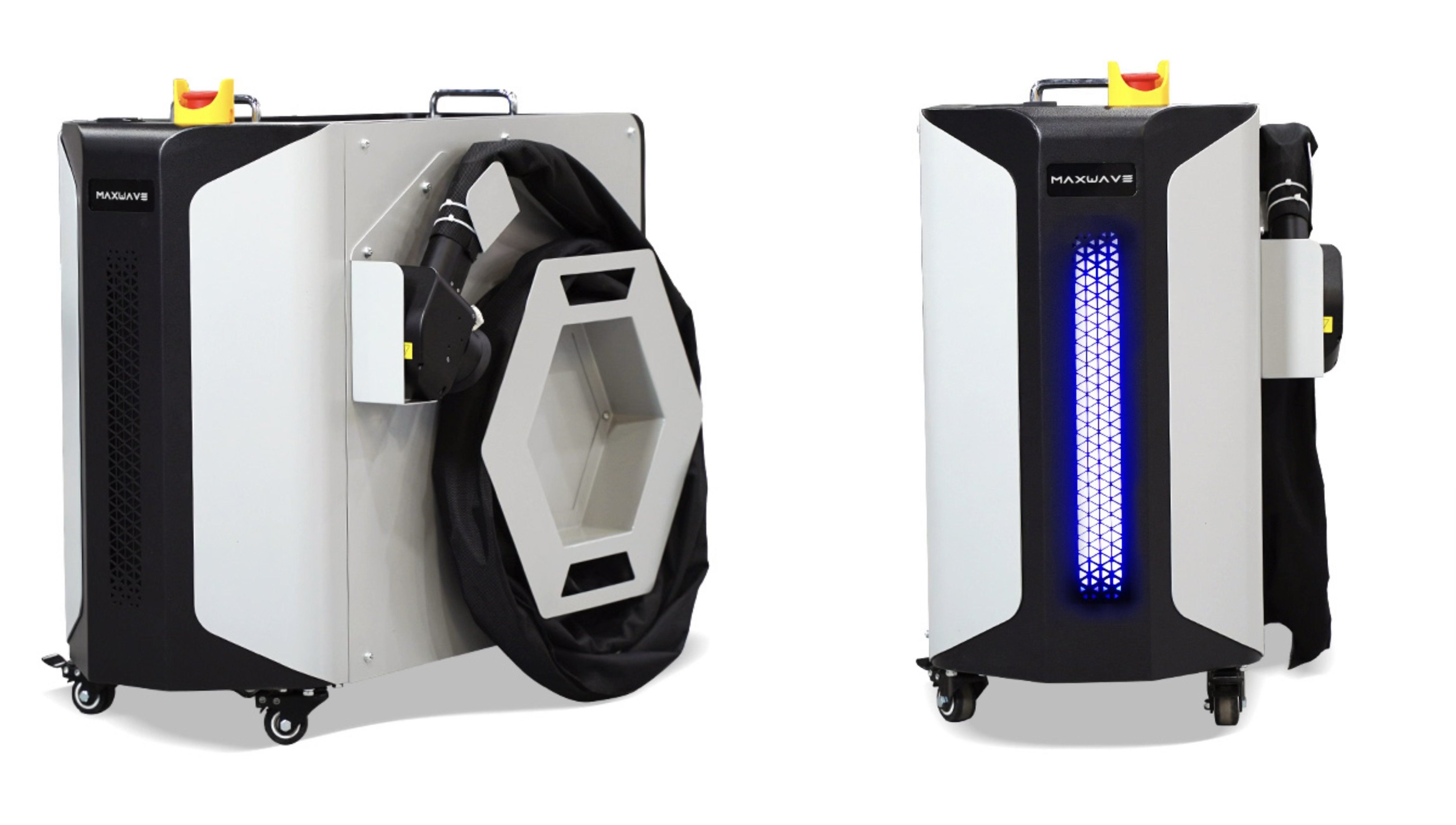
You've got five supplier tabs open, three wildly different quotes for what's supposedly the same 1000W machine, and a nagging suspicion that at least one of these sales reps is making up numbers on the spot. Sound familiar? That's where most buyers end up when they start shopping for a handheld laser cleaning machine, with plenty of information but almost none of it comparable.
This guide skips the fluff and gives you real price ranges by power output, tells you which specs match your specific Cleaning job (rust, paint, mold residue, whatever you're dealing with), and provides a no-nonsense checklist for weeding out unreliable vendors before you pick up the phone. We'll also settle the laser rust removal vs sandblasting debate with actual cost math. By the end, you'll know exactly what to ask for and what to expect to pay.
Price Breakdown by Power: What You Should Expect to Pay for a Handheld Laser Cleaning Machine
Power output drives about 70% of the price you'll pay for a handheld laser cleaning machine. Brand, control software, and the fancy touchscreen are all negotiable. The wattage is not.
Market pricing by power class gives you a real range to work with, because "it depends" is not a number you can put in a budget spreadsheet.
Continuous wave (CW) systems, the workhorse choice for most metal cleaning jobs, follow this pattern:
Power class | Typical Price Range |
|---|---|
1000W CW | $2,500–$4,000 (basic), up to $10,000 for feature-rich units |
1500W CW | $3,800–$12,000 |
2000W CW | $5,500–$20,000 (entry-level listings sometimes as low as $3,500) |
3000W CW | $7,000–$20,000+ |
500W portable handheld | $8,000–$25,000 |
Real listings back these ranges up. A 3-in-1 1500W laser cleaner runs about $3,105.68. A 1500W metal cleaning machine sits at $3,174.69. Bump up to 2000W handheld, and you land at about $4,554.99. A 3000W unit lands around $6,487.41. Then there is the outlier: a 500W handheld cleaner with stair-climbing wheels priced at $17,900 to $25,000. A 500W unit can cost more than a 3000W one when mobility features and build quality outweigh raw power in the final price.
Pulsed systems play by different rules. A 50W to 100W pulsed unit costs $4,000–$6,000 for basics, jumping to $8,000–$18,000 for higher-featured models. Step up to 200W–300W pulsed, and you are looking at $6,000–$30,000 depending on build level. A 300W backpack rust-stripping laser cleaner typically runs $8,900–$10,500.
The gap between continuous wave and pulse comes down to application. Pulse systems handle delicate substrates and precision work—think aerospace or museum-grade cleaning—that CW cannot touch safely, and that specialization costs more.
The Shortest Buying Rule You'll Find
Budget handheld unit: $3,000–$6,000
Serious industrial laser derusting equipment: $8,000–$20,000
Pulsed precision handheld: $10,000–$40,000+
If a quote falls wildly outside these bands, especially on the low end for a "1500W" or "2000W" machine, ask why. Cheap fiber sources, subpar optics, or a bare-bones control system are usually the culprit. Laser cleaner maintenance cost and the safety class rating—Class 4 systems need proper enclosures and interlocks—should factor into your total cost of ownership, not just the sticker price.
Matching the laser to the job: 5 high-frequency scenarios
Buying the wrong power output is the most expensive mistake you can make here. A shipyard using a 100W unit burns labor hours it can't afford. A mold shop running a 2000W machine on delicate cavity surfaces gouges the tooling. Match the scenario first. Worry about brand later.
Marine and shipyard Rust removal. Hull plating, ballast tanks, deck structures. This is heavy rust on large flat or gently curved steel. You need raw power here, not finesse. 1500W–3000W CW is the standard spec. A 2000W unit strips moderate rust at 8–12 square meters per hour, depending on depth and coating. Shipyards running 3000W systems report hitting 15+ square meters per hour on flat hull sections. Laser beats sandblasting here because there's no abrasive media, no containment tenting, and no disposal cost for spent grit.
Automotive weld-prep and paint removal. Pre-weld cleaning on auto body panels or e-coat stripping before repair work needs less power but more control. 500W–1000W covers this range. You get 3–6 square meters per hour depending on coating layers, which is enough for panel-level work. This is also where buyers most often request a handheld combo unit that preps the joint and cleans post-weld oxidation without switching tools.
Mold and tooling cleaning. Injection molds and die-casting tooling need gentle oxide and residue removal without damaging the base metal. 100W–500W, often pulsed rather than CW, is the right call. Cleaning speed is secondary here. Mold shops care about zero substrate damage far more than square meters per hour, because a scratched cavity surface means a scrapped tool.
Cultural heritage and stone/relic restoration. Delicate surfaces like stone carvings, aged bronze, and historic ironwork demand low power and pulsed operation. 50W–200W pulsed is standard among conservation teams. For this work, pulse duration and beam control quality matter more than the raw power output spec.
Pipeline and industrial equipment derusting. General industrial derusting for pipe sections, valves, and structural steel sits in the middle. A 1000W–2000W CW unit delivers 6–10 square meters per hour on moderate corrosion. This is the highest-volume category by unit sales. The 1000W vs 2000W decision depends on your daily throughput target, not the material.
Decision Checklist: How to Vet Suppliers & Machines in Under 3 Minutes
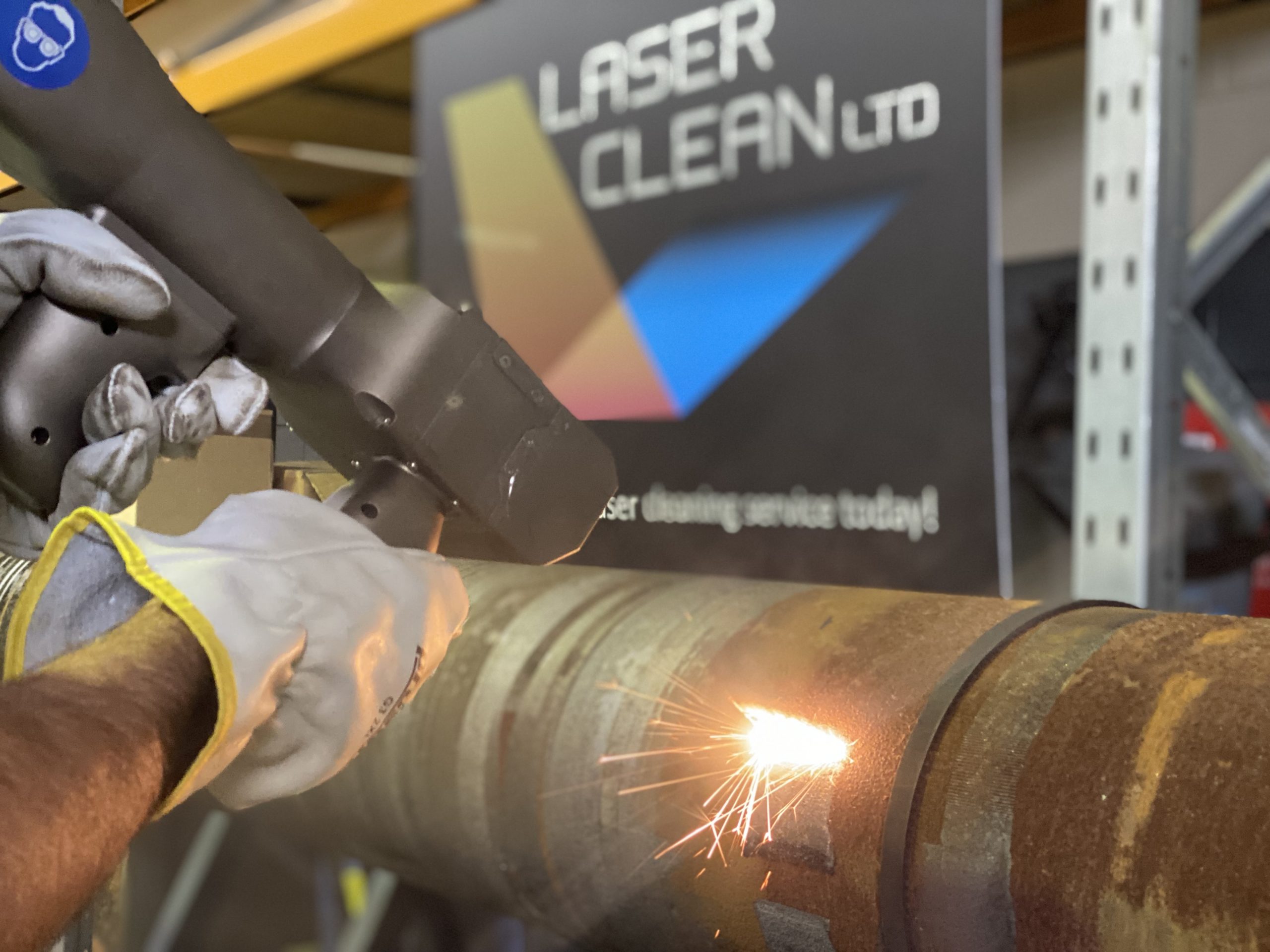
Most bad Laser cleaning machine purchases trace back to skipped homework, not bad luck. Here's the fast version of that homework, condensed into checks you can run before you ever pick up the phone.
Supplier identity and capacity checks:
Business registration matches the entity you're emailing. If the invoice comes from a different company name than the sales rep's signature, stop and ask why.
Check years in business. A three-year-old trading company selling a "custom-engineered" 2000W system is a red flag.
Confirm they manufacture in-house, not just rebrand someone else's laser source under their own logo.
Verify MOQ, monthly production capacity, and lead time line up with your order size and your deadline.
Quality and compliance checks:
Ask for QC evidence: their quality manual and defect rate data. Real suppliers hand this over without hesitation.
Check certifications: ISO 9001 plus CE, FCC, or RoHS depending on your market. Verify certificate numbers directly with the issuing body—don't just trust the PDF.
Get 2–3 references from buyers in a similar industry and call them.
Watch response speed. Under 24 hours with clear, specific answers is good. Vague replies to technical questions are a preview of vague after-sales support.
Machine-Specific Questions
Ask directly for total cost of ownership, not just unit price. That means laser cleaner maintenance cost, spare parts availability, delivery cost, and what after-sales support looks like when the machine breaks in month four.
Green, Yellow, Red
Green light: registration checks out, capacity fits your volume, certs verify, references confirm. Yellow light: good specs on paper, but weak documentation or slow replies. Red light: mismatched legal entity, unverifiable certs, no factory evidence, or refusal to allow third-party inspection.
Build a one-page scorecard with identity, capacity, QC, compliance, references, TCO, lead time, and after-sales support. Set your non-negotiables first—specs, price ceiling, MOQ, certifications—before any supplier gets a callback.
lasercleanerpro.com
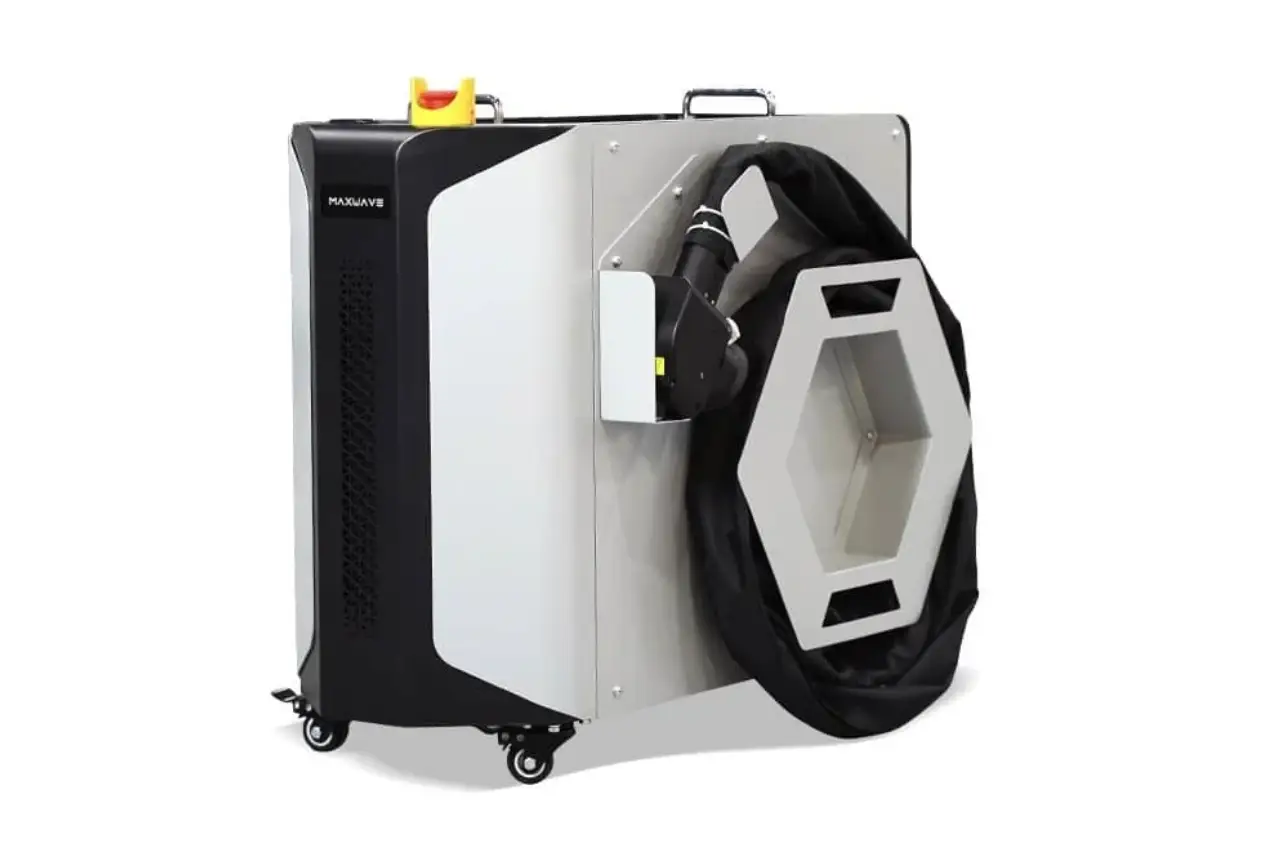
Wuhan is home to a big chunk of China's laser cleaning manufacturing, and if you're looking beyond generic marketplace listings, LaserCleanerPro.com is worth putting on your supplier shortlist. Their machines span 100W–3000W, covering both pulsed and continuous-wave platforms.
The product lineup breaks into three tiers: handheld/backpack units for field work, pulsed machines (LC, LCB, LY series) for oxide, thin rust, paint, and mold residue, and high-power CW systems (LCW, HW series) for heavier industrial derusting. Cooling follows the platform—air-cooled for pulsed, water-cooled for high-fiber builds.
The handheld range runs 100–300W, built for rust, paint, and oil removal on service calls and tight-access jobs. The pulsed LY series (100–500W) targets molds, aluminium, and precision parts, where pulse control is the better choice over continuous wave.
They bundle a "Cleaning-Ready Solution": sample testing, ROI guidance, operator training, and OEM/ODM configuration with the machine, plus spare parts and lifecycle support after the sale.
Contact: +86 153 2715 5363, Mon–Sat 9:00–18:00 (GMT+8).
Real-World ROI: Is a Laser Cleaning Machine Cheaper Than Sandblasting?
Sticker price tells you almost nothing about which technology saves you money. Operating cost per hour makes the laser rust removal vs sandblasting comparison concrete.
Equipment cost overlap. Sandblasting systems run $25,000–$500,000. Laser cleaning machines run $35,000–$500,000. At the industrial end, capex is comparable. The difference shows up after you flip the switch.
Per-hour math. One ROI model breaks it down like this:
Cost item | Laser cleaning | Sandblasting |
|---|---|---|
Labor | $25.00/hr | $50.00/hr |
Consumables | $0 | $15.00/hr |
Waste disposal | $0 | $5.00/hr |
Maintenance & energy | $2.22/hr | $3.50/hr |
Total | $27.22/hr | $73.50/hr |
That's a $46.28/hour gap, 63% lower operating cost for laser cleaning. No abrasive to buy, no spent grit to haul away, no containment tenting.
Annual impact. Cutting sand, abrasive beads, chemicals, and solvents from the budget saves $10,000–$30,000 per year, assuming the same cleaning task repeats regularly.
Where the math flips. Sandblasting still wins on large-scale, one-off structures. It covers more surface area per shift and often has lower entry cost for that kind of job. Laser cleaning pulls ahead on small parts, repeated jobs, precision work, and automated lines—exactly the scenarios where abrasive costs and disposal fees pile up fastest.
The decision rule: if labor is expensive, media use is high, and you're cleaning the same parts on repeat, laser wins. If it's a one-time, large-area blast job, sandblasting usually wins on cost per square meter.
Conclusion
Choosing the right laser cleaning machine starts with the application—not the highest wattage or the lowest quote.
A 100W pulsed system may be ideal for precision molds, light rust, and sensitive surfaces, while a 1000W–3000W continuous-wave machine is better suited to heavy corrosion, large steel structures, and high-throughput industrial cleaning.
The real decision should balance cleaning result, speed, substrate protection, labor, consumables, downtime, and total ownership cost. In some applications, laser cleaning can significantly reduce recurring consumables and post-cleaning work; in others, blasting or another method may still be more economical.
Before buying, define your substrate, contaminant type, layer thickness, target finish, and daily workload. Then send the same application requirements to several suppliers and request a real cleaning test—not just a specification sheet.
The best machine is the one that proves it can clean your actual part at the required speed and finish without adding unnecessary cost or complexity.
Send LaserCleanerPro photos or samples of your parts, along with the material, contamination, approximate layer thickness, and expected workload. The engineering team can arrange an application test and recommend a suitable pulsed or CW laser cleaning configuration before you invest.