Laser Cleaning Machine Price — Factory-Direct Pricing Guide
There is no single sticker price for a laser cleaner — cost depends on power, laser type, cooling and configuration. Rather than quote a fixed figure that ignores your job, we price factory-direct to your spec. Here is exactly what drives the cost, and how to get your exact price.
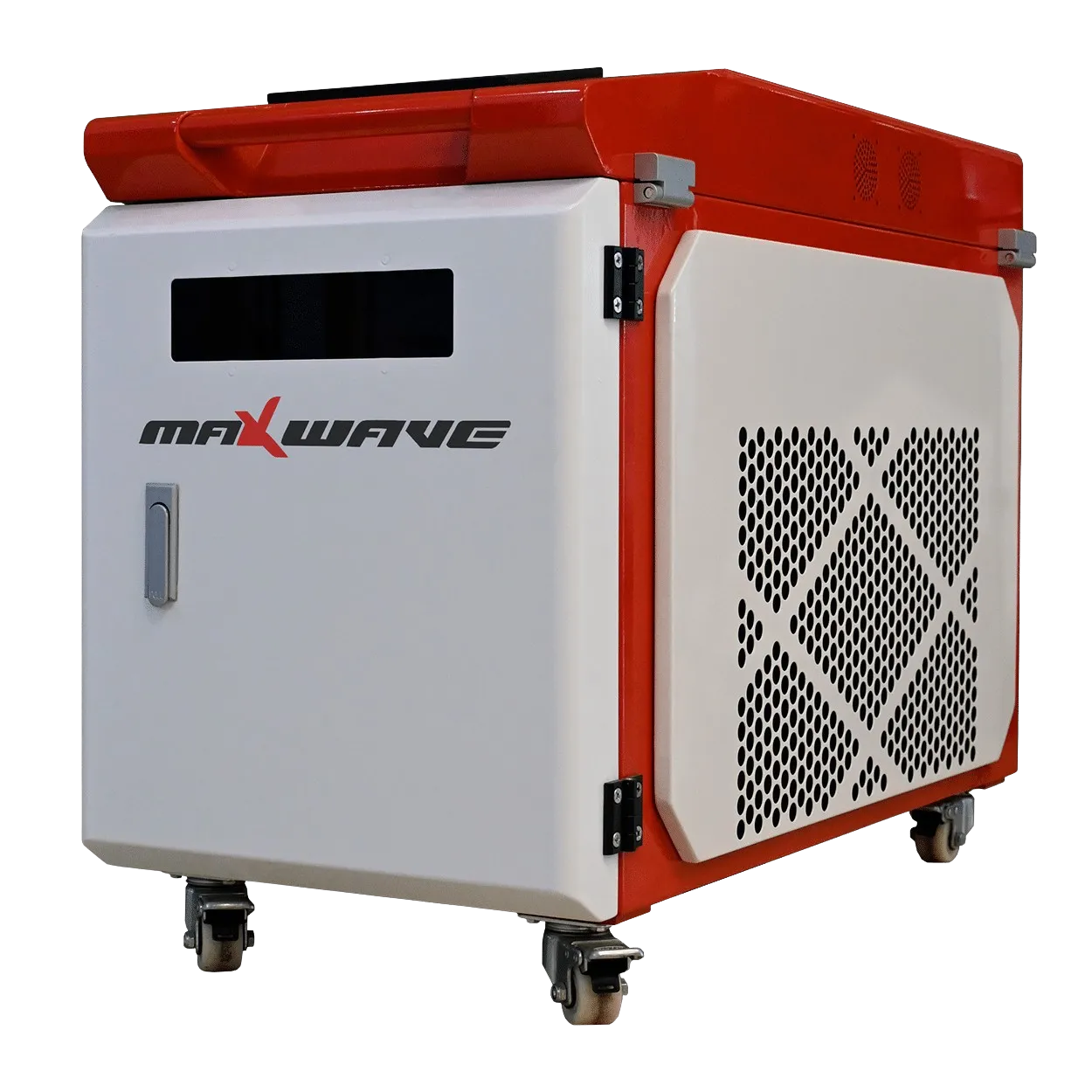
Six things that decide what a laser cleaner costs
The same machine name can sit at very different prices depending on how it is built. These are the levers — understand them and you can read any quote.
Power output
The biggest lever. A 100W portable unit and a 3000W system are different machines with very different costs.
Pulsed vs continuous-wave
Pulsed and CW are different laser sources, which sets a different base cost for the same power band.
Air vs water cooling
High-power CW systems are water-cooled, adding cooling hardware that air-cooled units do not need.
Cleaning head & cable
Head type, scan width and fiber cable length are configured to the job and affect the build cost.
Configuration & accessories
Battery options, branding, spares and add-ons change the final spec — and the price.
Certification & voltage
Destination voltage and any certification your market requires are configured per order.
Price positioning by machine tier
Relative positioning to set expectations — the exact figure depends on your configuration. The bars show where each tier sits, not a fixed amount. Request an exact price for any series.
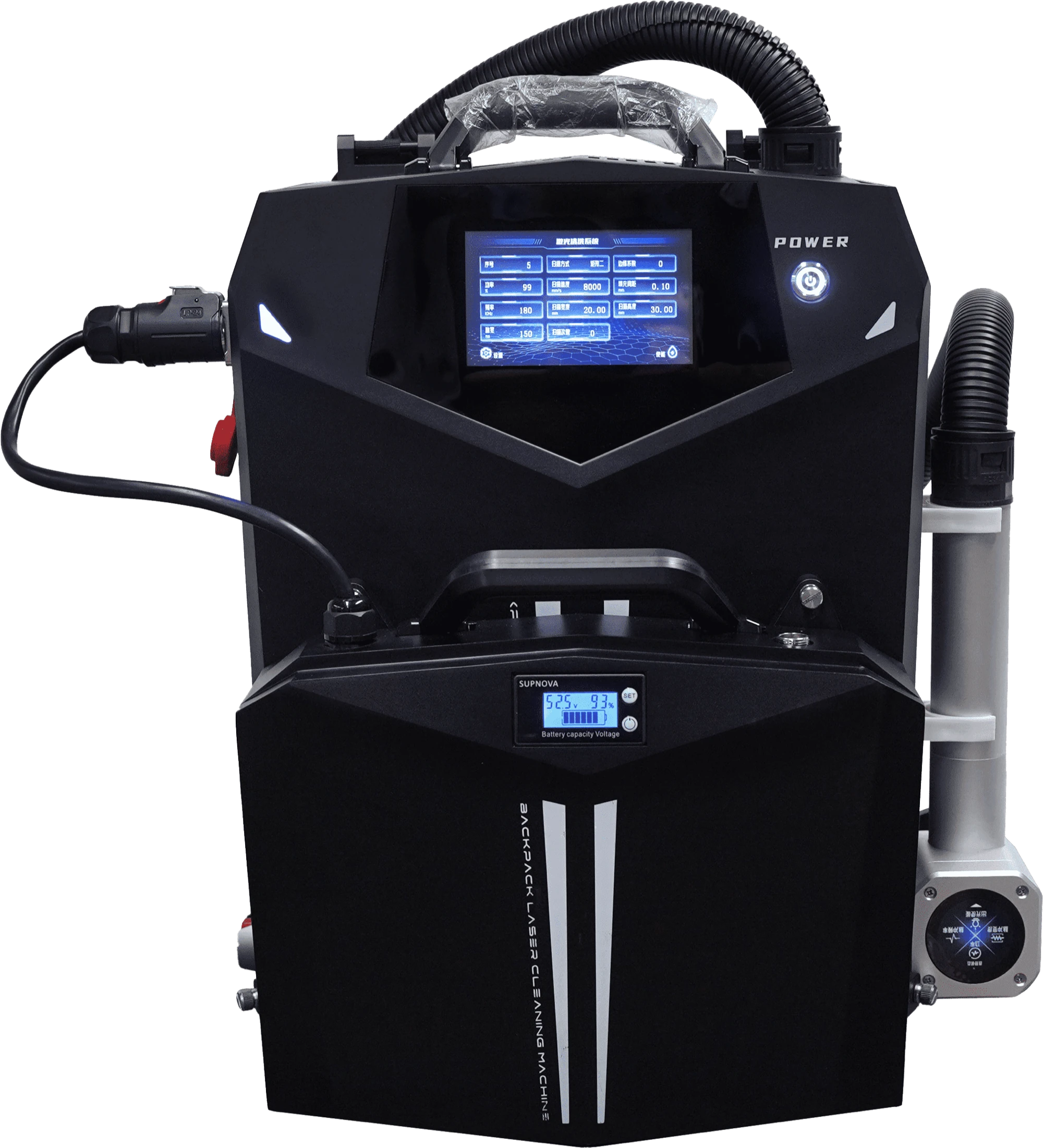
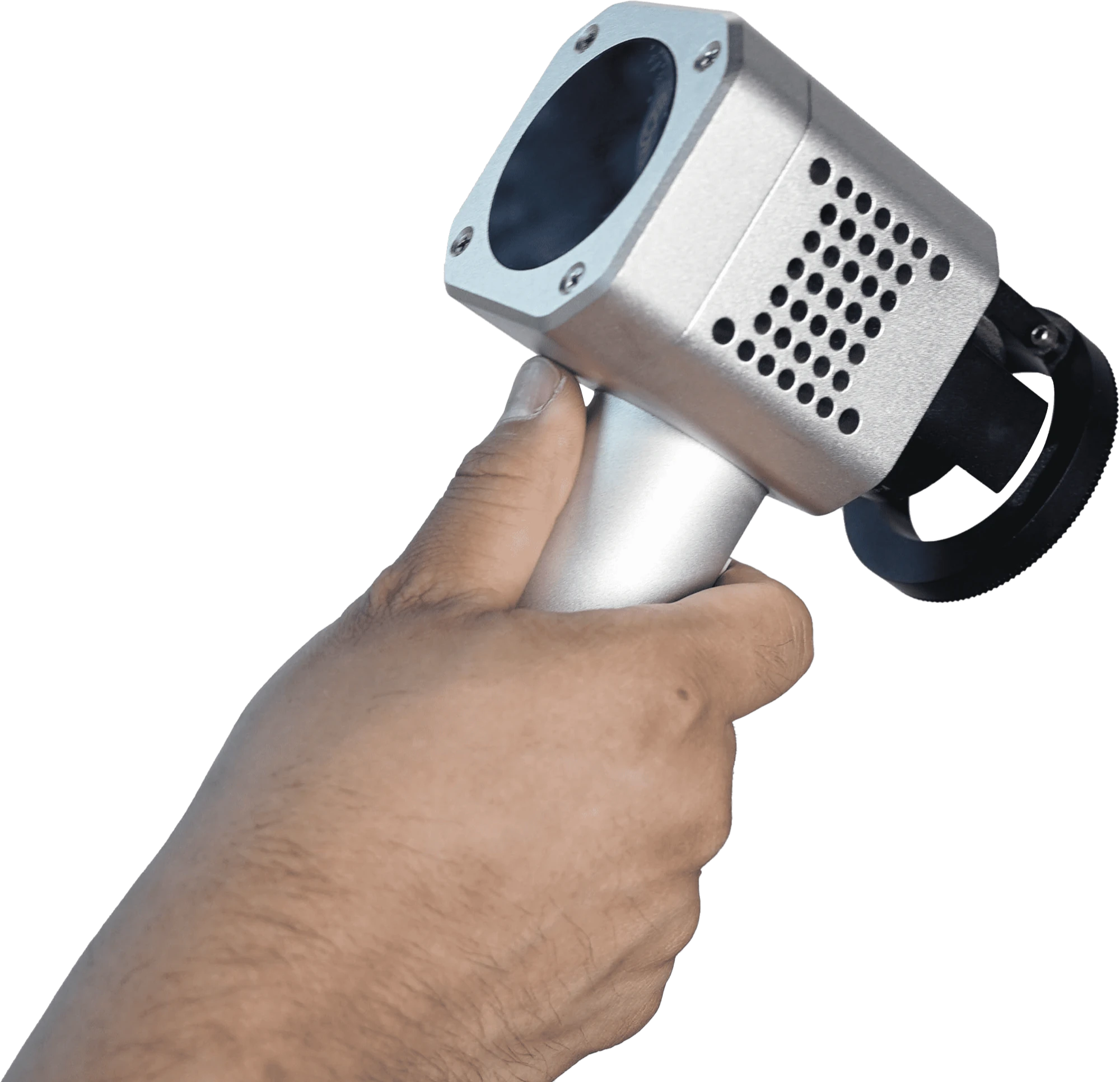
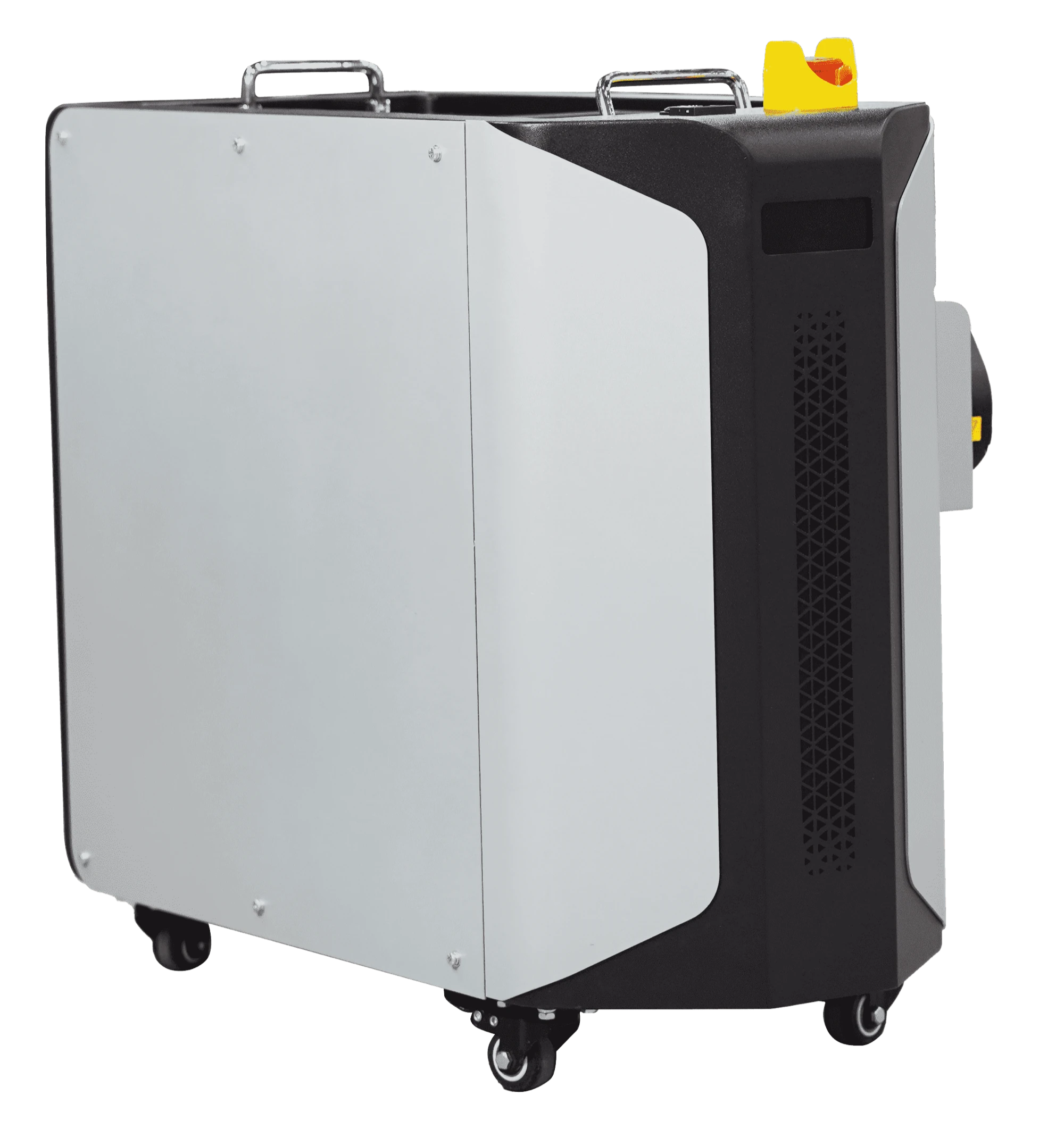
Backpack & Handheld
LCB100-300W · LC100-300W
- 100–300W pulsed, air-cooled
- Lowest entry point of the range
- Best for service & startup work
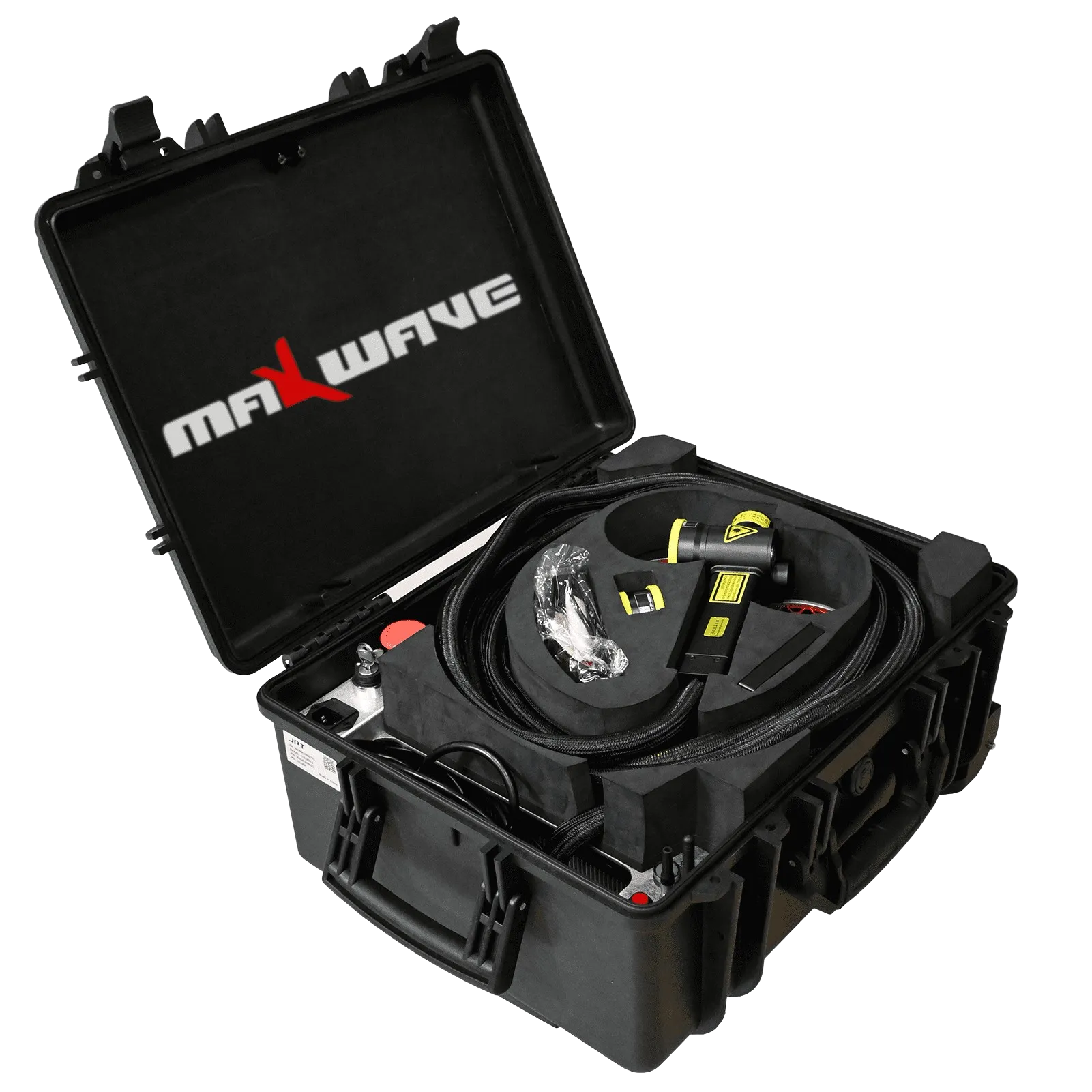
Pulsed Platform
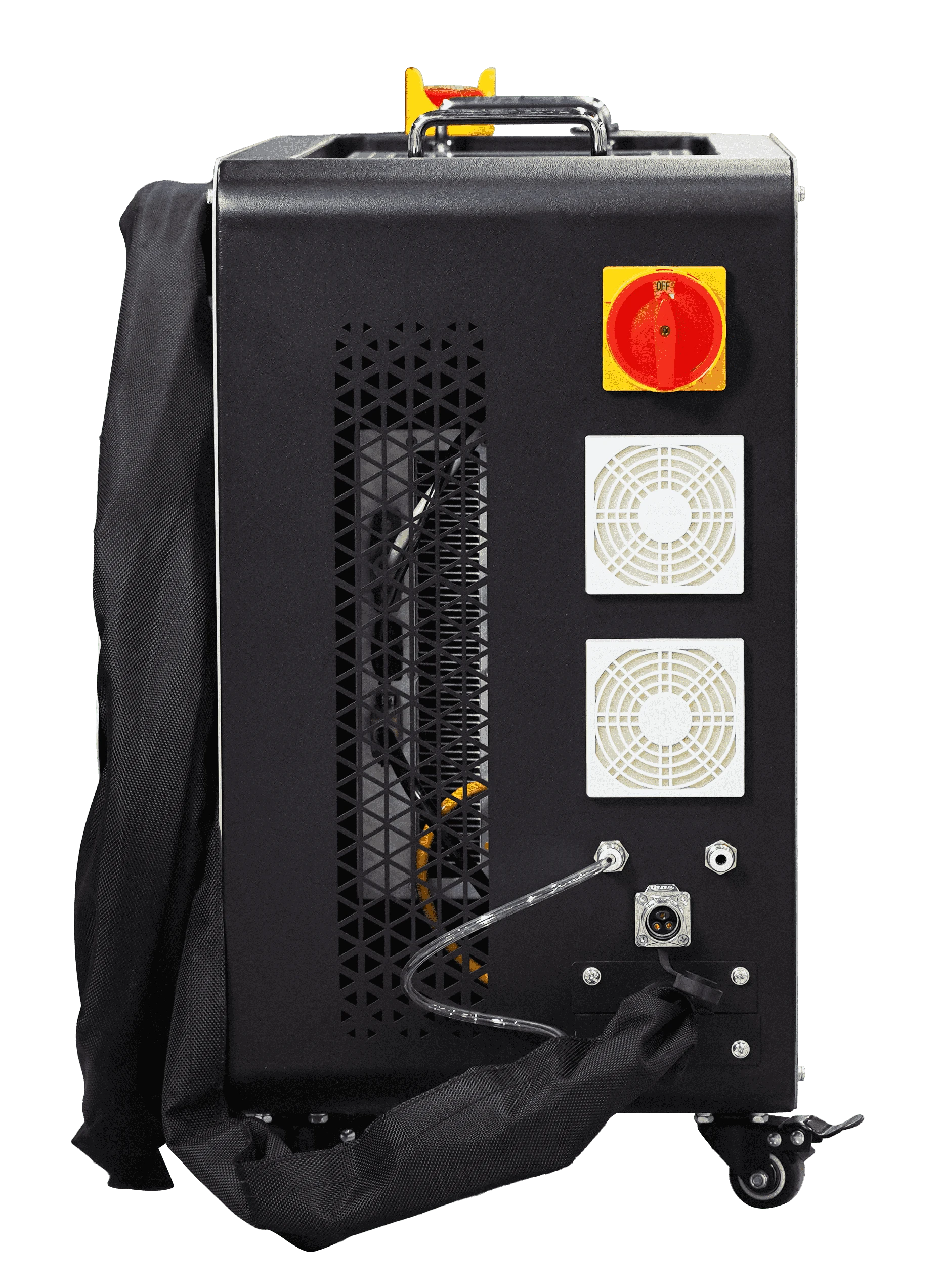
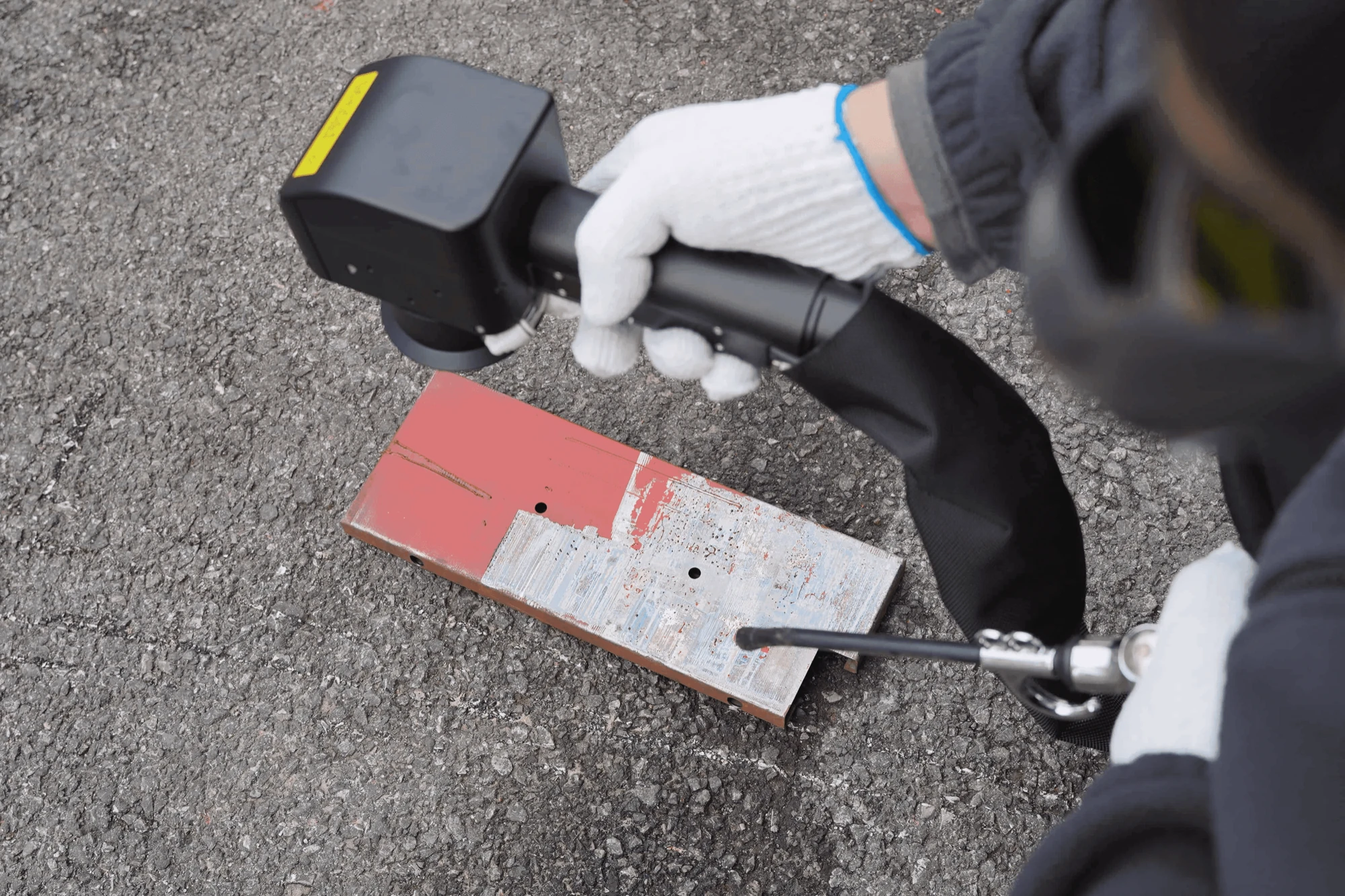
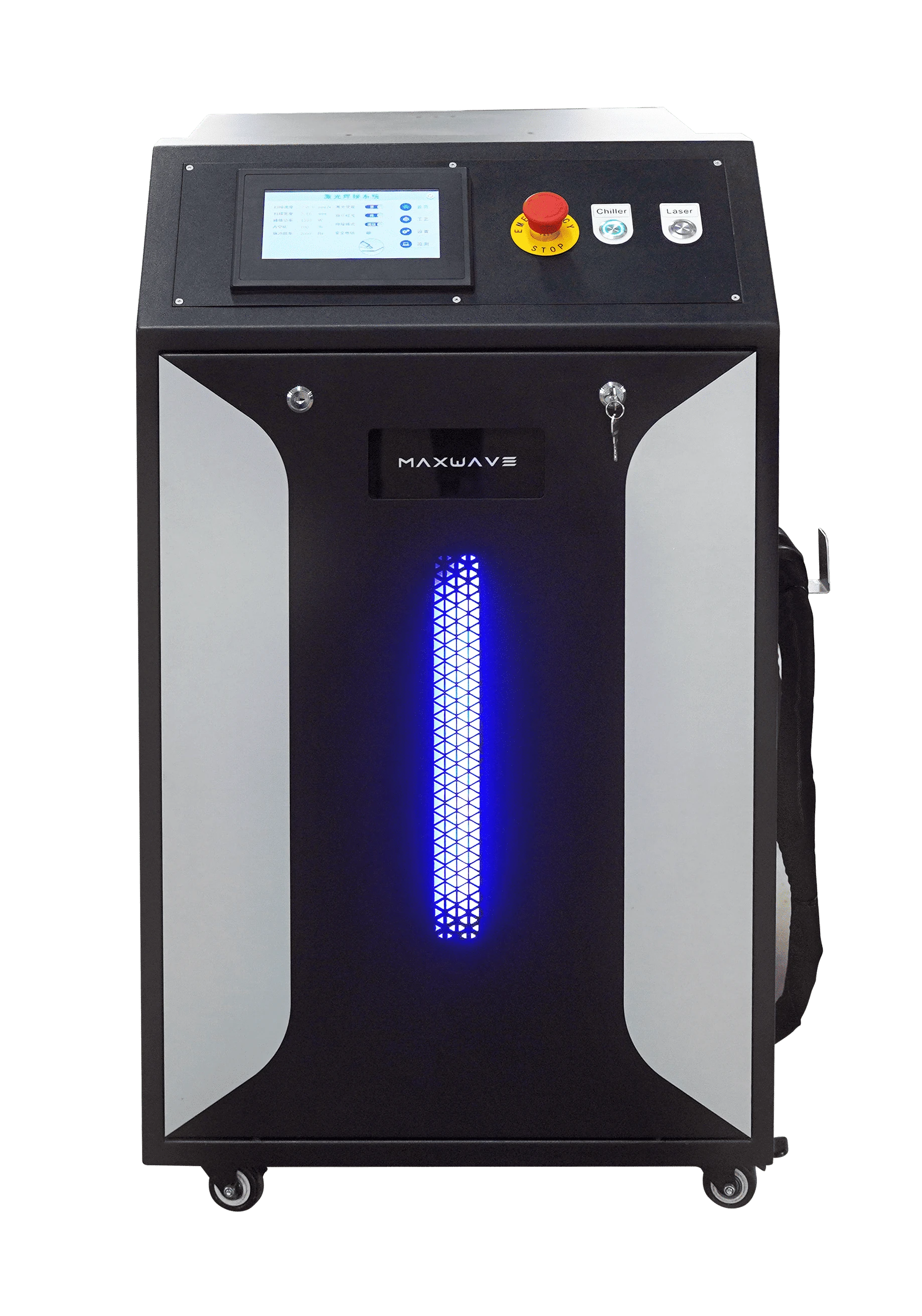
LY100-500W
- 100–500W pulsed, configurable
- Precision for molds, auto & detail
- 300W a popular configuration
High-Power CW
LCW1500-3000W · HW1000-3000W
- 1000–3000W, water-cooled
- Highest throughput & duty cycle
- For heavy industrial & marine work
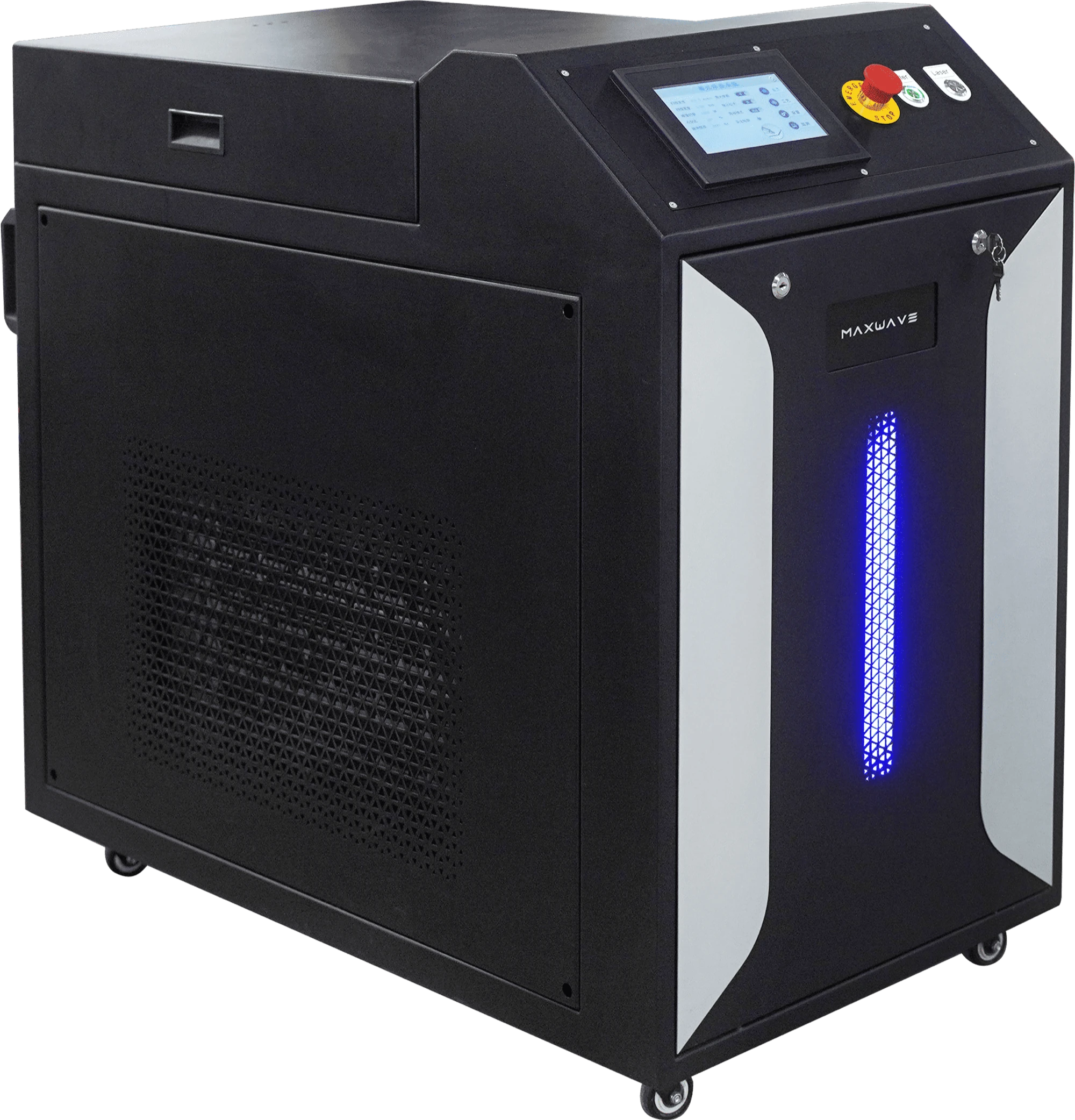
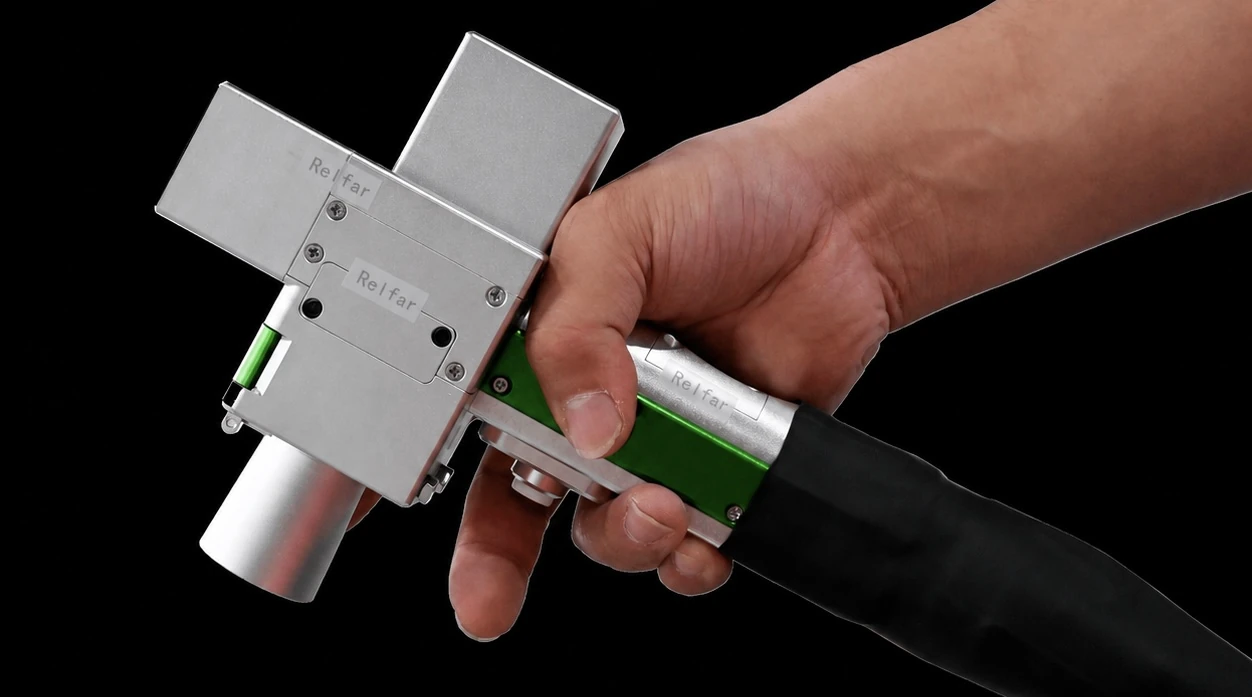
Buy from the maker, not the middle
Buying direct from the manufacturer removes the distributor markup and puts you closer to the engineering — for configuration, support and volume.
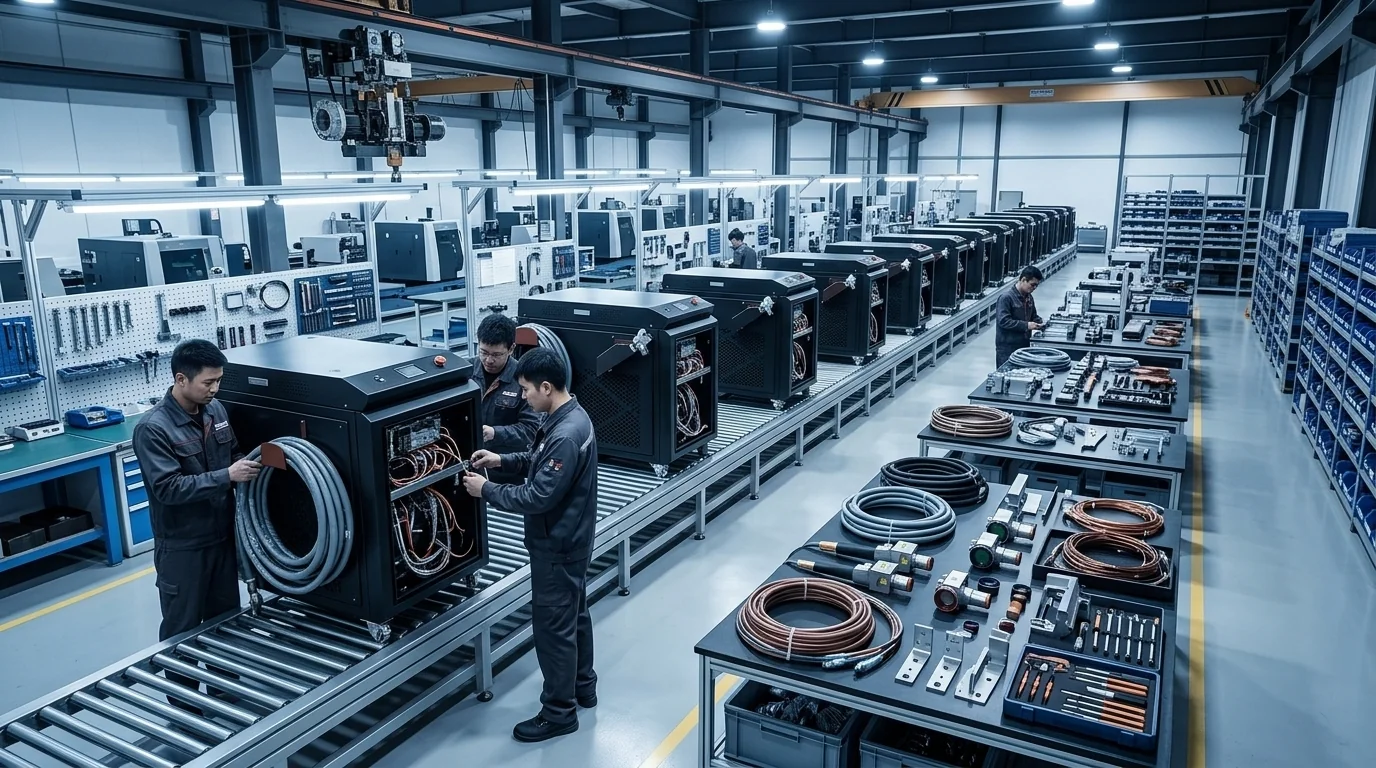
- No distributor markup — you pay for the machine, not a chain of resellers.
- OEM & private-label pricing — build your own brand on our platforms. See OEM / ODM.
- Volume options — multi-unit and dealer pricing is available; tell us your quantity and we will be straight about it.
- Direct engineering support — configuration and after-sales straight from the source.
From requirement to a real quote in three steps
The fastest way to a number that actually applies to your job — not a guess.
Get Your Factory-Direct PriceTell us your requirement
Material, contaminant, surface size and weekly volume — the basics that point to a power and type.
We recommend a configuration
We match pulsed or CW, power, cooling and head to your job, and offer sample testing.
Factory-direct quote
You get an exact price for that configuration, including options, with no distributor markup.
The cheapest machine is rarely the lowest cost
A low purchase price can hide a higher total cost. Before you decide on price alone, weigh what the machine costs you over its working life.
After-sales & support
Thin support means downtime when something goes wrong.
Spare parts & components
Hard-to-source parts and lower-grade components cost later.
Reliability & lifespan
Cheap builds can mean more downtime over the machine's life.
Total cost of ownership
Model the full picture with the ROI calculator.
The six price factors in detail
The same machine name can sit at very different prices. These six levers explain most of the difference — understand them and you can read any quote.
Power output
The biggest lever. A 100W portable and a 3000W system are different machines with different costs.
Pulsed vs CW
Pulsed and continuous-wave are different laser sources, setting a different base cost for the same power band.
Air vs water cooling
High-power CW adds cooling hardware that air-cooled units do not need.
Head, scan width & cable
Cleaning head and fiber length are configured to the job.
Configuration & accessories
Battery options, branding, spares and add-ons change the spec.
Certification & voltage
Destination voltage and any required certification are configured per order.
Total cost of ownership
The purchase price is one line. Over the machine’s life the running cost often matters more — laser shifts spend from recurring consumables to a depreciating asset.
| Cost element | Laser cleaning | Traditional (blasting / chemical) |
|---|---|---|
| Upfront | Machine (capital asset) | Lower entry; blaster / booth |
| Consumables | None | Abrasive media or solvents per job |
| Labour | Lower per part | Masking, containment, cleanup |
| Waste handling | Minimal | Spent grit or hazardous liquid |
| Cost over time | Falls after payback | Recurring |
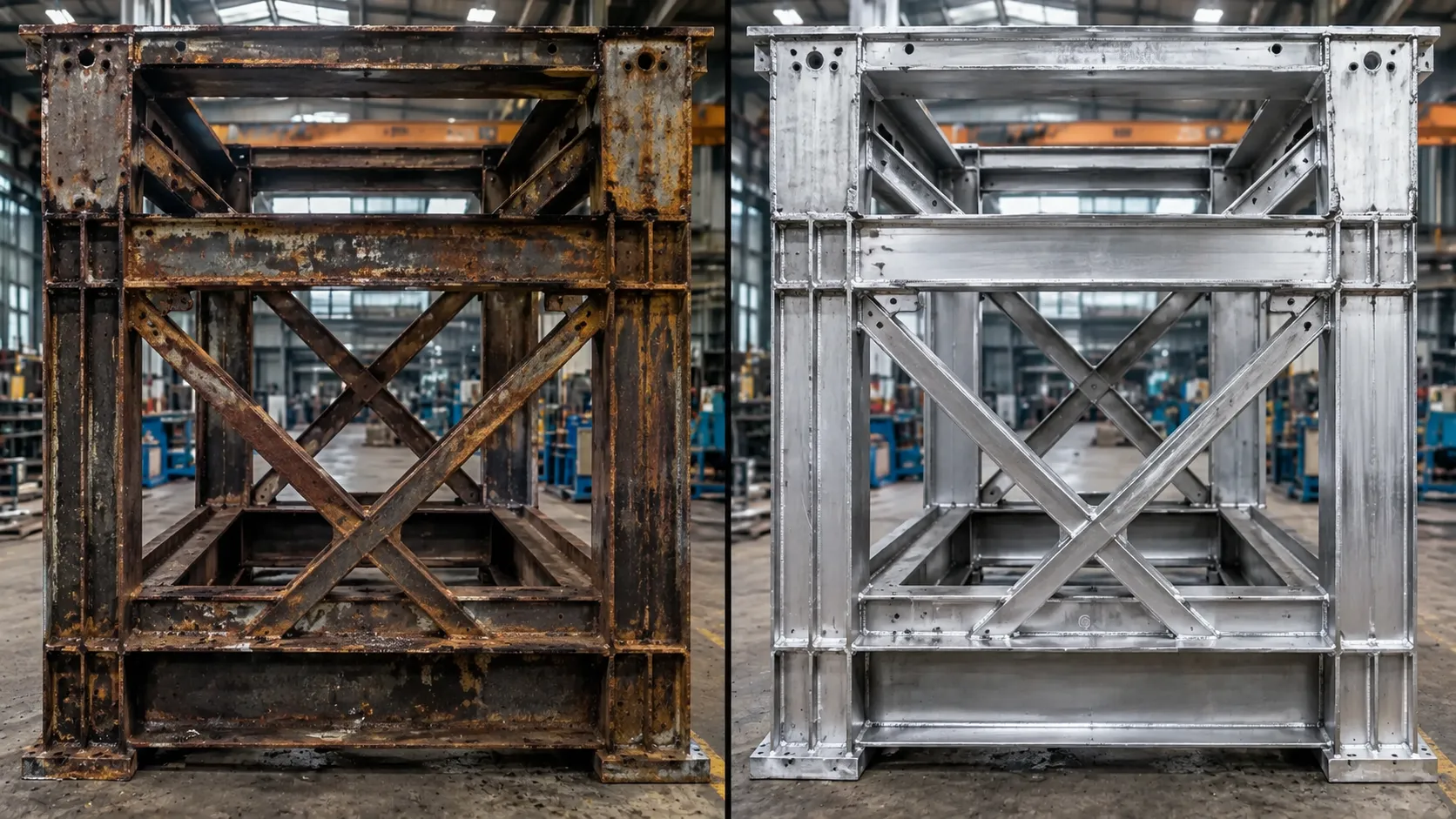
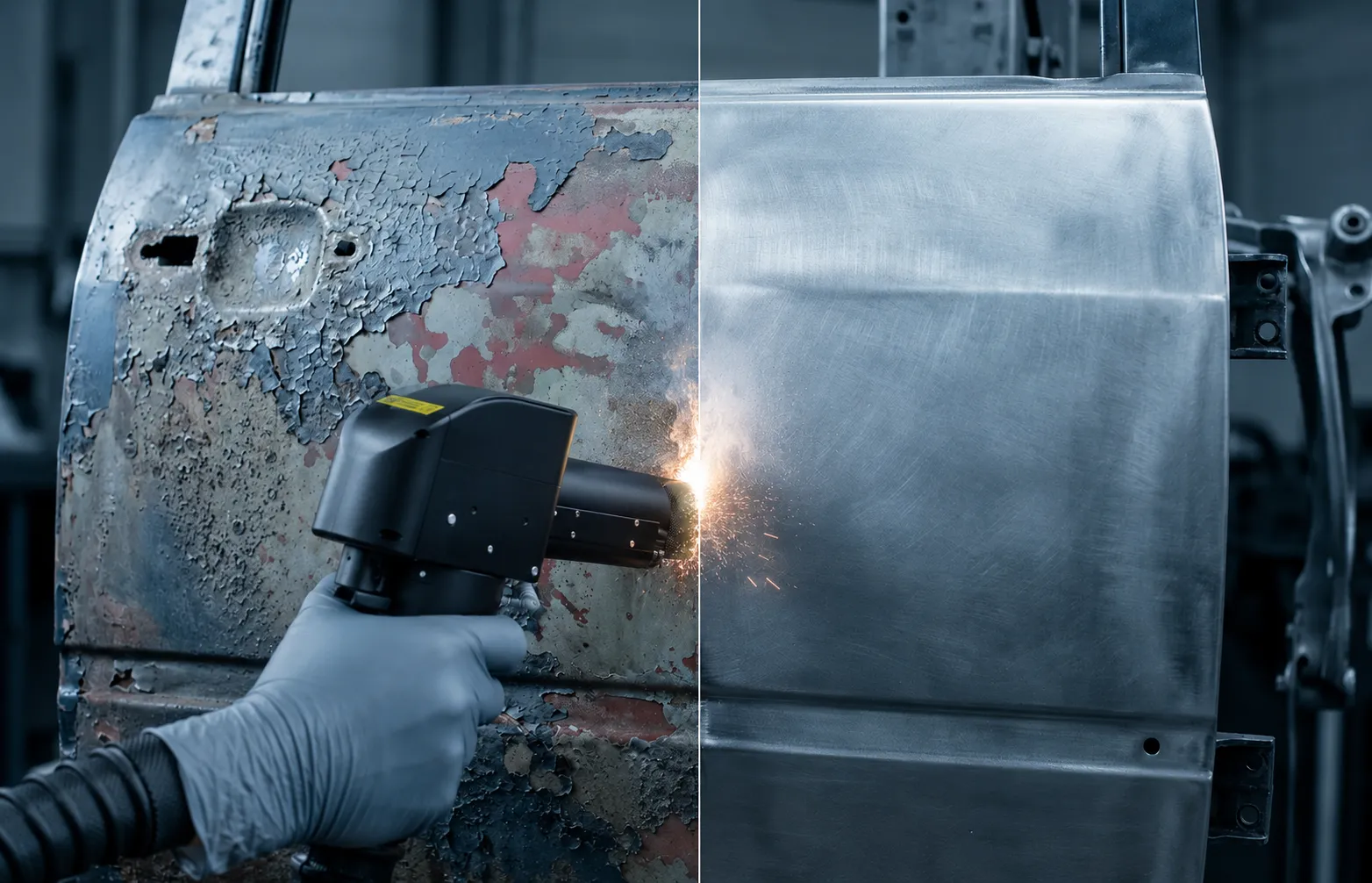
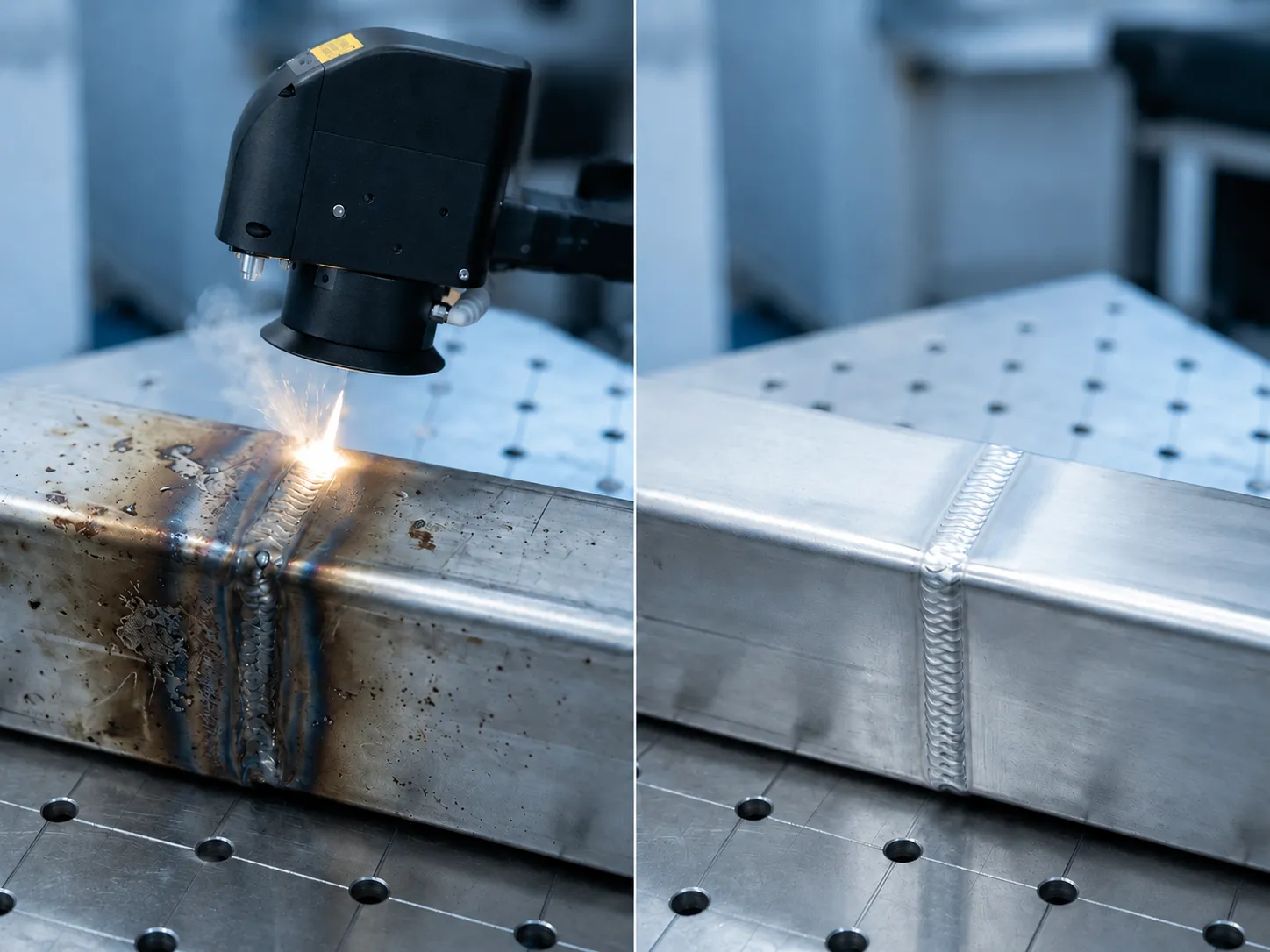
Typical jobs the running cost pays for — rust, weld discoloration and paint removal
How to compare quotes
A low sticker price can hide a higher total cost. Run any quote through this checklist before you decide.
- Exact power and laser type — pulsed or CW, and the rated power, not just a series name
- Core component grade — the laser source and key components
- After-sales & response — spare parts, support and agreed response expectations
- Sample testing offered — a measured result on your material before you buy
- Where performance figures come from — the basis for any speed claim
- Warranty terms in writing — coverage, duration and which parts
Laser cleaner price questions, answered straight
Get your exact factory-direct price
Tell us your material, contaminant and volume. We will recommend a configuration and send an exact price — with no distributor markup — usually within one business day.
- [email protected]
- +86 153 2715 5363
- Mon–Sat 9:00–18:00 (GMT+8)