Laser Graffiti Removal for Walls, Stone & Facades
Remove wall and building graffiti without harsh chemicals, slurry runoff or sandblast scarring. A laser lifts the paint selectively — and the machine is portable enough to work a busy street without booths, big noise or a river of dirty water.
Most graffiti removal damages the surface it cleans
The fast ways to remove graffiti tend to trade one problem for another — a stained wall, a flooded pavement, or a scarred stone facade.
Chemical removers
Solvent removers can stain and weather the wall, run off into drains, and carry handling and disposal rules.
High-pressure water
Pressure washing floods the area with dirty water and can drive paint deeper into porous stone and brick.
Sandblasting
Abrasive blasting scars natural stone, textured render and glass facades — leaving a permanent shadow of the tag.
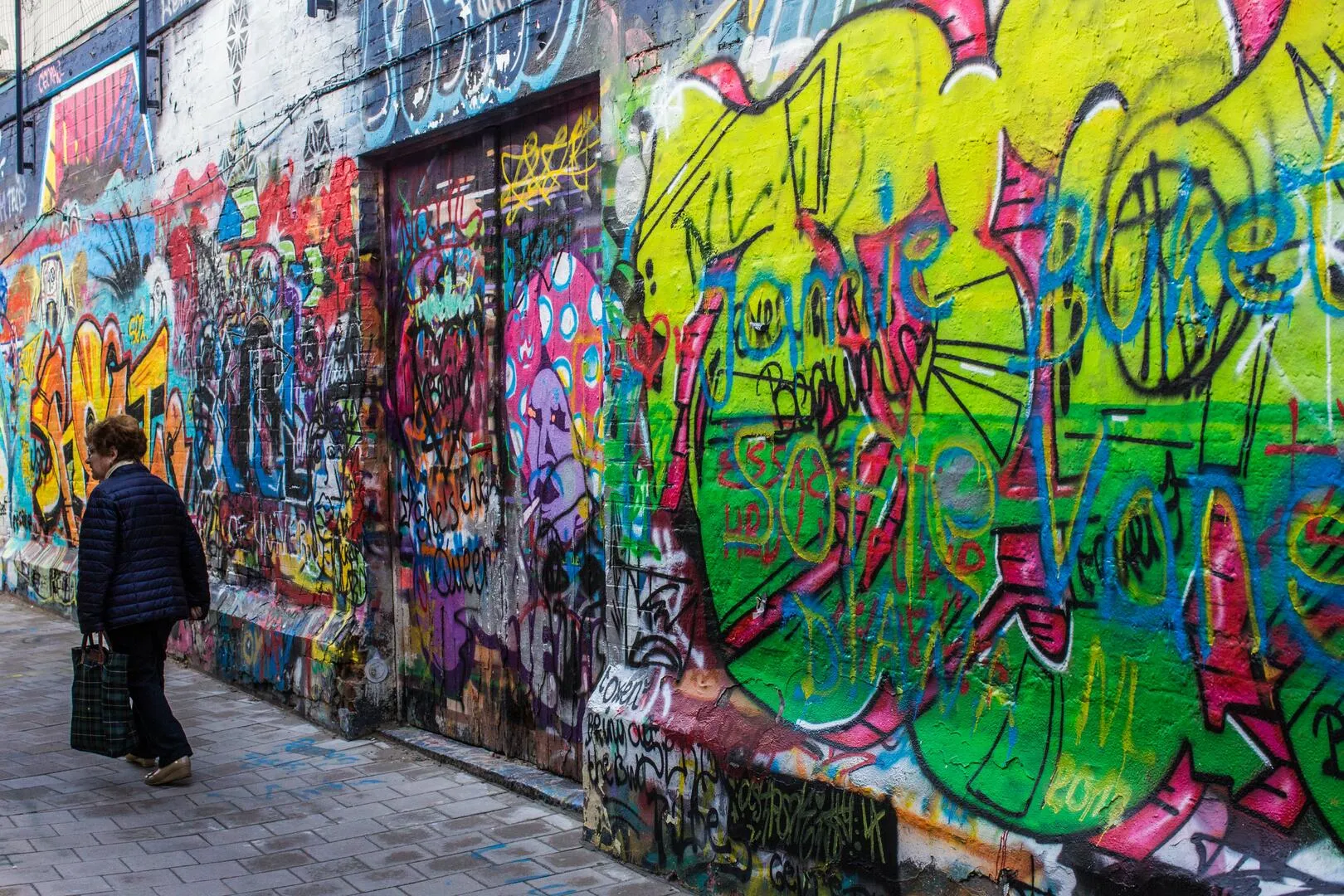
Remove the tag, protect the surface
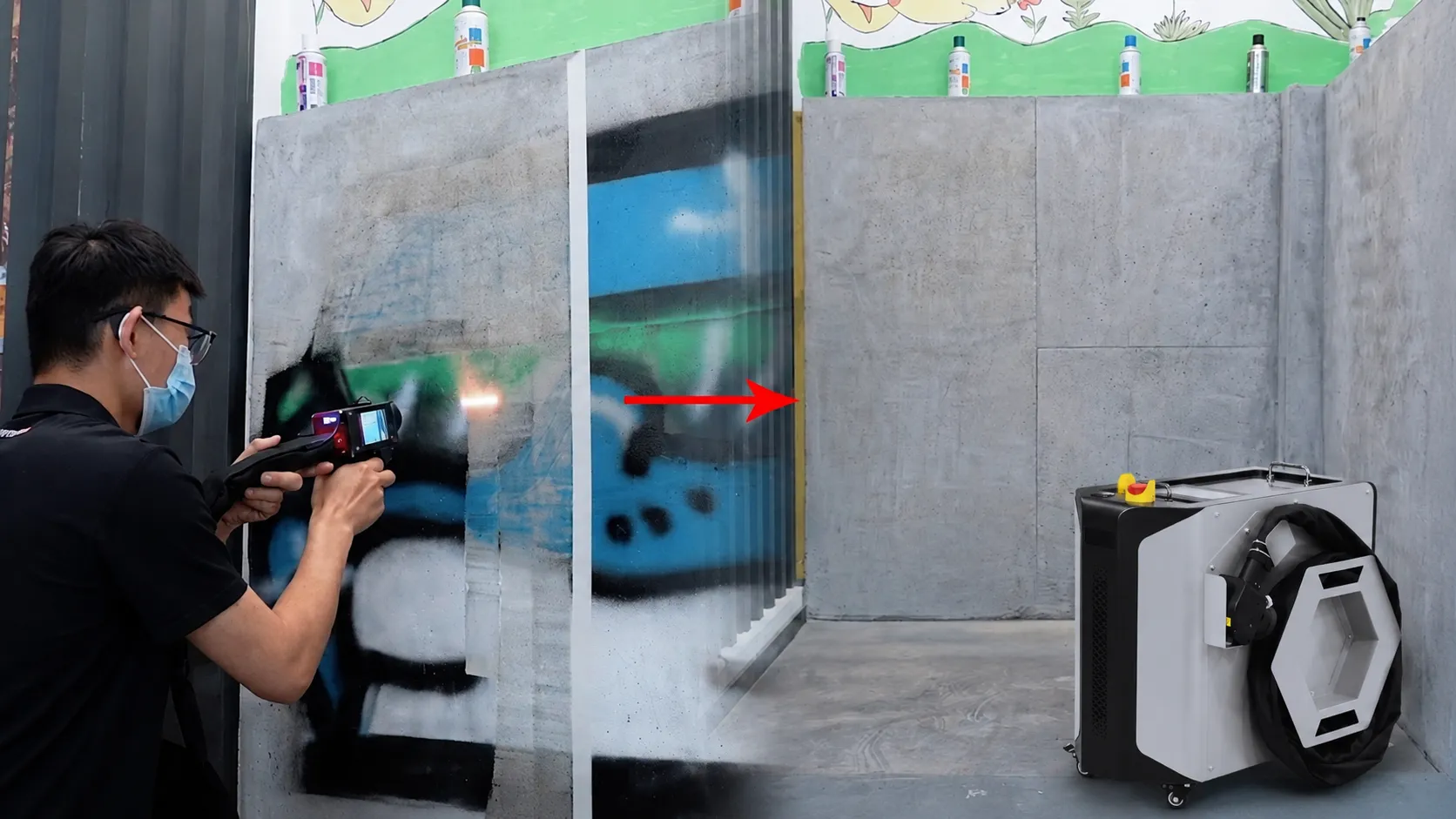
A laser is absorbed by the graffiti paint and lifts it off, with energy tuned to the coating rather than the wall behind it. Used correctly, that helps avoid the ghost-shadow that blasting and aggressive chemicals leave behind — but every surface is different, so we test yours first.
Brick & concrete
Lift paint from masonry and concrete surfaces.
Natural stone
Marble and stone, tested to limit surface impact.
Glass facades
Curtain-wall glass, assessed sample-first.
Textured render
Stone-effect and rendered facade finishes.
Outcome depends on the substrate, the graffiti paint and the laser settings — confirmed by sample testing before any visible facade work.
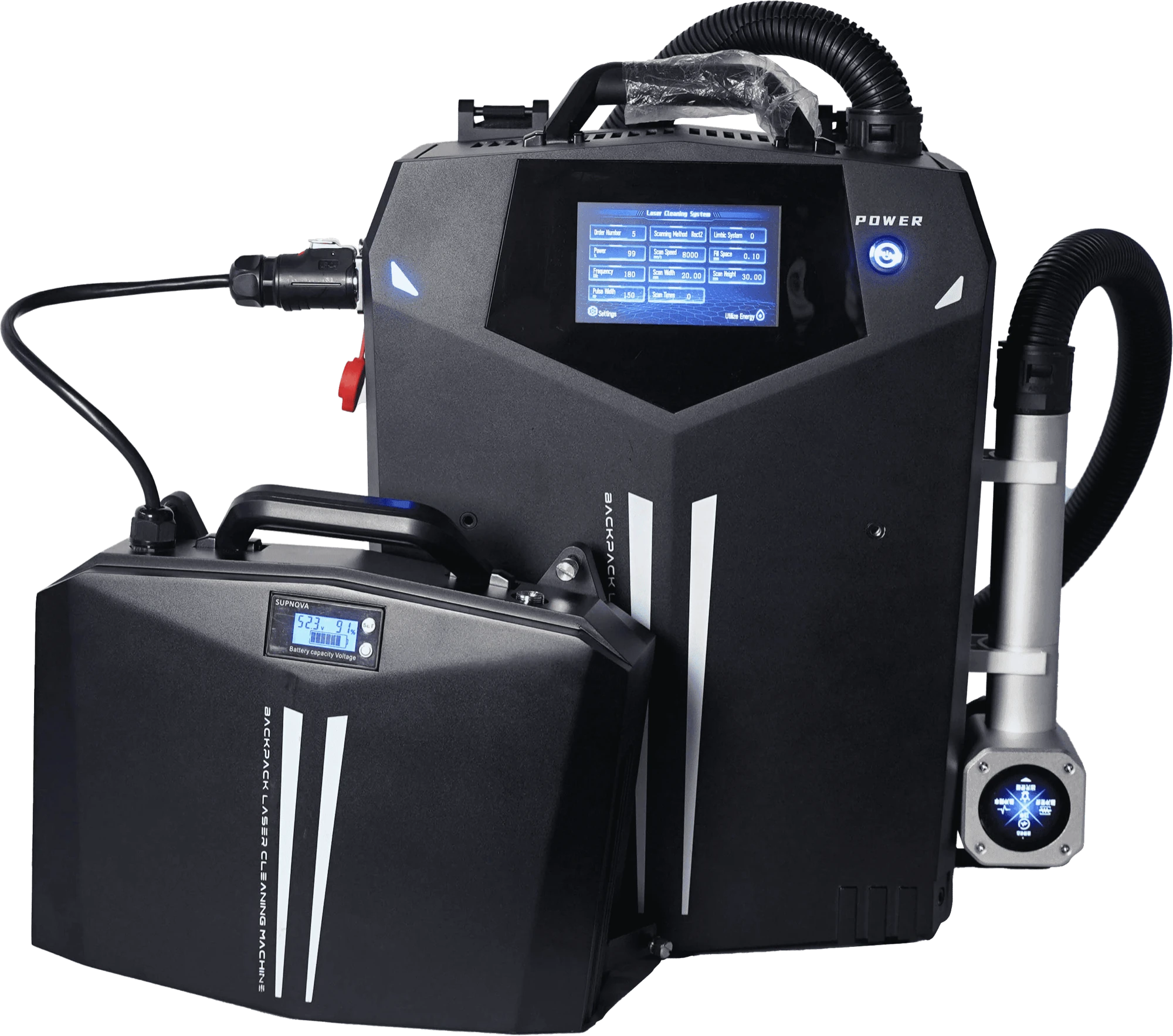
Portable enough for the busy parts of town
Graffiti is rarely somewhere convenient. Backpack and handheld units let a crew walk up to a wall, an underpass or a shopfront and clean it — no booth, no bowser of water, no road closure for blasting equipment.
- Backpack & handheld 100–300W portable units
- Cordless options for sites away from power
- Dry process — no slurry to bund or pump away
- Quick to deploy in pedestrian and retail areas
Graffiti & flyposting jobs
Municipal flyposting
Clear tags and posters from public walls and signage.
Wall graffiti
Remove spray paint from masonry and rendered walls.
Historic buildings
Treat heritage stone with tested, controlled settings.
Public facilities
Underpasses, transit stops and street furniture.
.png)
.png)
Portable, for graffiti where it is
Graffiti removal is mobile, surface-sensitive work — which points to the portable backpack and handheld series.
Backpack & Handheld — 100–300W
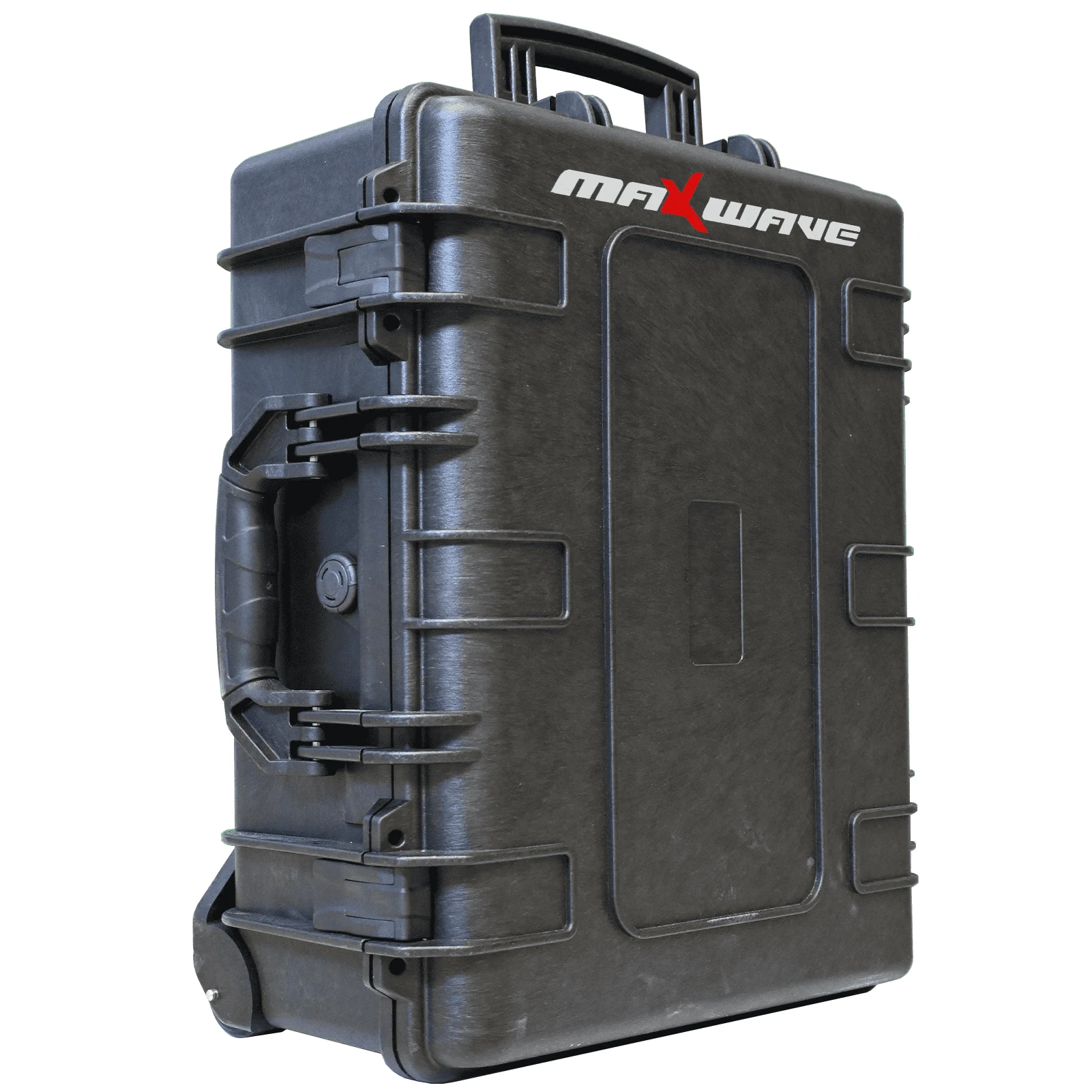
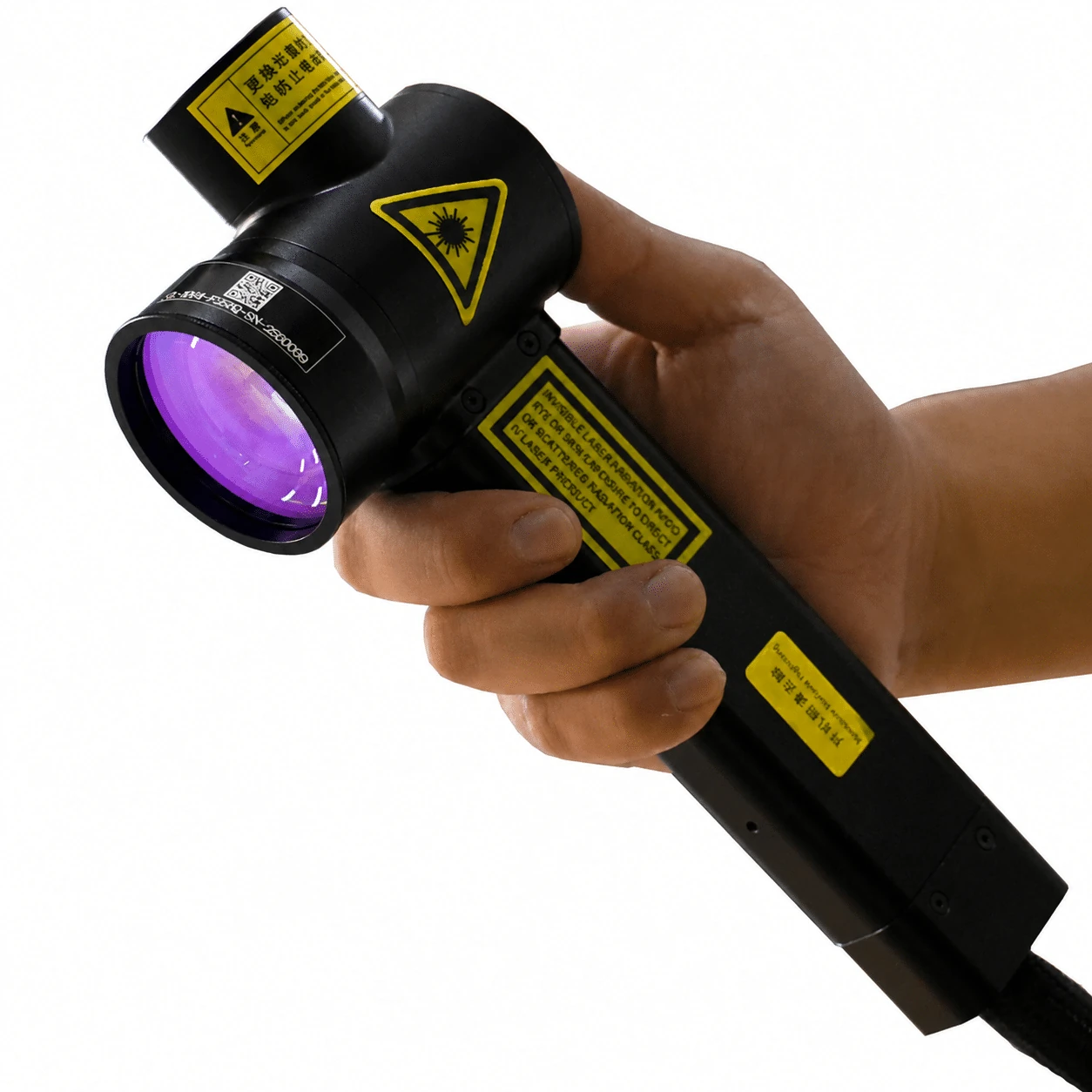
Cordless backpack (LCB100-300W) for walk-and-clean facade work, or a handheld wheeled-case unit (LC100-300W) for detailed and shopfront jobs. Both are pulsed and portable, with the control surface-sensitive cleaning needs.
- 100–300W pulsed fiber laser
- Cordless / battery options for the street
- Adjustable settings tuned per substrate
How laser graffiti removal compares
Structural differences that hold across most wall, stone and facade graffiti removal.
| Factor | Laser | Chemical removers | High-pressure water / blasting |
|---|---|---|---|
| Surface impact | Controlled, substrate-tested | Can stain / weather | Can scar & leave ghosting |
| Runoff & waste | Dry, minimal — easy extraction | Chemical slurry runoff | Dirty water or spent grit |
| Use in public areas | Portable, low disruption | Containment & PPE needed | Booths, water or road closure |
| Consumables | None — no media or solvents | Solvent per job | Water or abrasive media |
Municipal, facilities & restoration
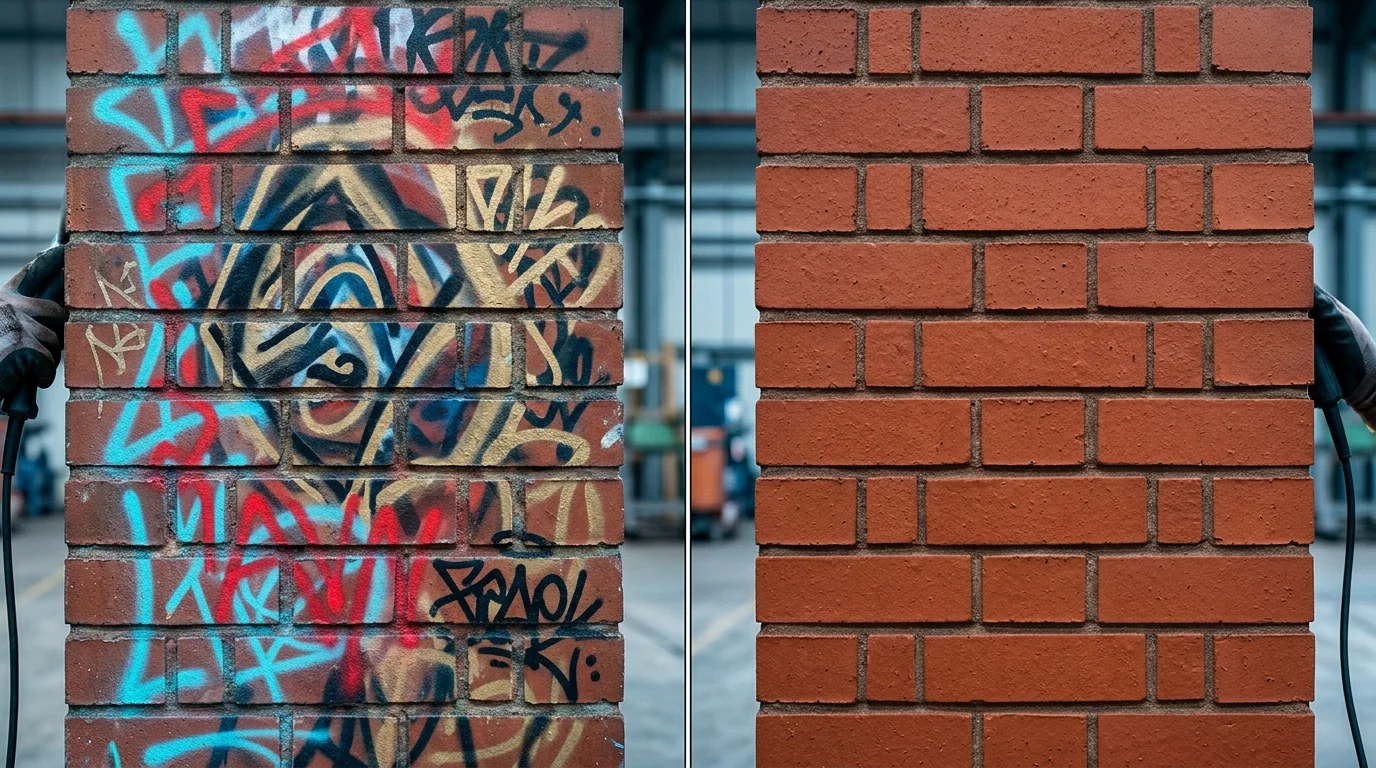
Graffiti-removal results
Representative before/after results on wall and stone graffiti.
Materials & conditions matrix
Surfaces and graffiti types the portable process handles. Sensitive surfaces are tested first.
| Surface | Graffiti type | Notes |
|---|---|---|
| Brick & concrete | Spray paint | Lift paint from masonry |
| Natural stone | Paint & marker | Tested sample-first |
| Glass facade | Paint | Assessed sample-first |
| Rendered / textured | Paint | Stone-effect finishes |
The result on any combination depends on the material, contaminant, laser power and scanning setup — confirmed on a representative sample.
The workflow, step by step
Removing graffiti without scarring the surface — the on-site workflow.
Assess the surface
Identify the substrate and whether it is heritage or sensitive.
Test a sample area
Clean a discreet area and review for any ghosting.
Set portable settings
Backpack or handheld energy tuned to the paint and substrate.
Clean on-site
Dry, low-disruption removal in pedestrian and public areas.
Review the result
Check the surface and ghosting before completing the facade.
Typical project considerations
What contractors weigh on public and heritage surfaces.
Substrate protection
Non-abrasive, tested first — especially on stone and glass.
No slurry runoff
Dry process avoids dirty water in public spaces.
Portable, low disruption
Backpack and handheld work busy streets.
Ghosting control
Lifting paint rather than blasting helps avoid a shadow.
Related machines & solutions
Operator tips for clean results
Good graffiti removal is as much technique as machine. These practices keep results clean on public and heritage surfaces.
Always test discreetly
Clean a hidden area first, especially on porous stone and coated facades.
Work to the surface, not into it
Use lighter passes on soft stone to lift paint without eroding the face.
Manage fume in public
Use extraction or positioning so fume does not affect passers-by.
Check ghosting in daylight
Review the cleaned area in good light before signing the job off.
Laser graffiti removal questions, answered straight
Tell us your surface and get a factory-direct quote
Share the surface type and where the graffiti is. We will recommend a portable machine, offer sample testing, and send pricing — usually within one business day.
- [email protected]
- +86 153 2715 5363
- Mon–Sat 9:00–18:00 (GMT+8)